
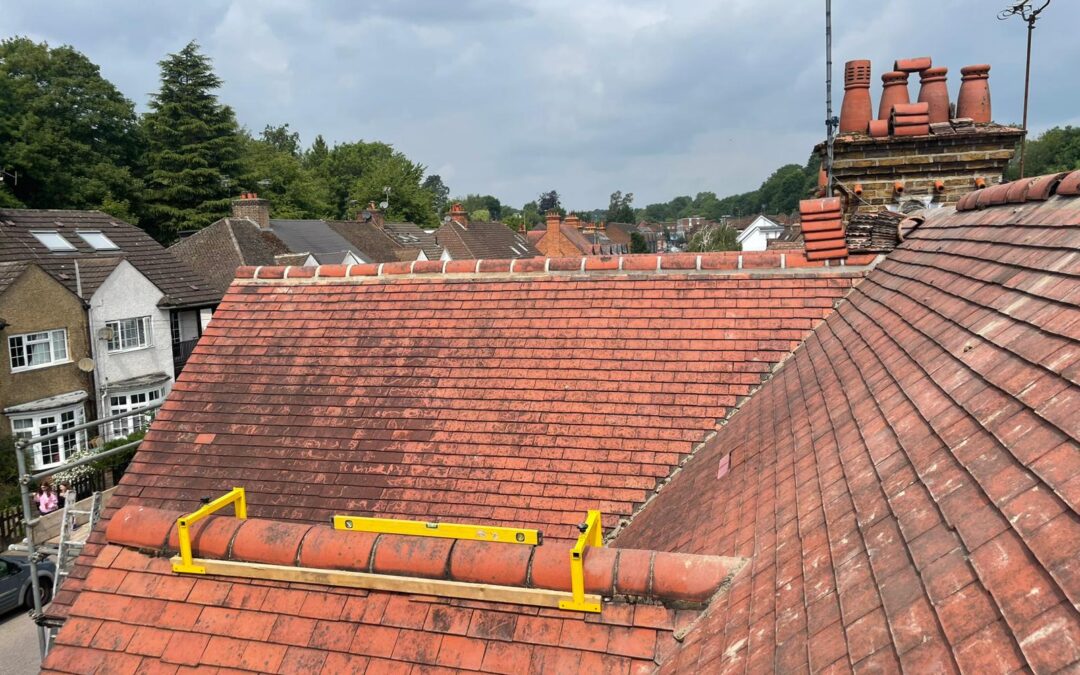
The advantages of modern flat roofing systems have made them one of the most popular choices for UK homeowners, landlords, and property developers looking for reliable, cost-effective roof coverings. Gone are the days when flat roofs were seen as leaky problem areas prone to damp and constant repairs. Today’s systems are engineered with advanced materials and clever waterproofing technology that stand up brilliantly to the British climate.
Over the past decade, flat roofing has been transformed. Older felt roofing that cracked and bubbled has given way to EPDM rubber, GRP fibreglass, and liquid membrane systems that can last for decades. These improvements mean fewer worries about water ingress, better structural protection, and far lower long-term costs. For anyone weighing up a roof replacement or planning a new build, understanding modern flat roof benefits is essential.
At Property Restoration Service, we work with homeowners and developers across the country who want roofing that simply works. Whether you’re considering a garage roof, an extension, or a full commercial installation, our flat roofing services UK team can guide you through the options. As trusted UK roofing company specialists, we’ve seen first-hand how the right flat roof can add value, comfort, and peace of mind to a property.
This guide explains everything you need to know about the advantages of flat roofing systems. We’ll cover what a modern flat roof actually is, how much you can save, how long they last, and why professional installation makes all the difference. By the end, you’ll have a clear picture of why so many UK properties now rely on these systems.
What Is a Modern Flat Roofing System?
A modern flat roofing system is a roof with a very slight slope, usually between one and ten degrees, designed to allow rainwater to drain away towards the guttering. Despite the name, no flat roof is completely level. That subtle fall is what keeps water moving and prevents pooling that could lead to damp.
In the UK context, flat roofs are commonly found on extensions, garages, dormers, porches, and increasingly on full new-build homes and commercial buildings. What sets a modern system apart is the combination of materials and engineering used beneath the visible surface.
Older flat roofs typically relied on bitumen felt, which was layered and bonded with hot tar. While effective in its day, felt roofing had a tendency to crack, blister, and split as it aged, especially after harsh UK winters. This often led to water ingress and the dreaded brown stains on ceilings below.
By contrast, modern membrane roofing uses materials such as EPDM rubber and GRP fibreglass that form a seamless, waterproof barrier. These systems are built with proper insulation, vapour control layers, and durable surfaces that resist UV damage and storm damage alike.
The difference between old and new systems is night and day. Where homeowners once expected to recover a flat roof every ten years, today’s installations can perform reliably for two, three, or even four decades. Our modern flat roof installation experts regularly replace failing felt with these advanced coverings, transforming both the look and performance of a property.
Cost-Effectiveness of Flat Roofing Systems
One of the biggest advantages of flat roofing systems is their cost-effectiveness. For many UK property owners, budget plays a major role in roofing decisions, and flat roofs often come out on top.
Installation costs are generally lower than pitched roofs. There’s less material involved, no complex framing or tiling, and the simpler structure means the job is completed faster. As a result, you save on both materials and labour.
Speed matters too. A flat roof installation can often be finished in a fraction of the time it takes to build a pitched roof. For developers managing tight project timelines, this faster construction time keeps schemes moving and reduces overall costs.
However, the savings don’t stop at installation. Because modern flat roofs are so durable, you spend far less on repairs and maintenance over the years. A well-installed EPDM or GRP roof rarely needs attention, which means fewer call-outs and lower lifetime expenses.
For landlords managing multiple properties, this predictability is invaluable. You know what you’re paying upfront, and you can budget confidently knowing repair bills will be minimal. Our professional flat roof repair services help owners get the most from their investment, whether through fresh installations or repairs to existing roofs.
It’s worth remembering that the cheapest option isn’t always the most cost-effective. Choosing quality materials and skilled installation pays off through a longer-lasting roof with fewer problems down the line.
Durability and Long Lifespan
Durability is where modern flat roofing systems really shine. The old reputation for short-lived, leaky roofs no longer applies thanks to the materials now available.
Let’s compare the main options. Felt roofing, the traditional choice, typically lasts between ten and twenty years depending on quality and installation. While still used, it’s now the shortest-lived of the common systems.
EPDM rubber roofing is a different proposition altogether. This synthetic rubber membrane is laid as a single sheet, leaving very few joints where water could get in. A well-fitted EPDM roof can comfortably last fifty years, making it one of the most durable choices available.
GRP fibreglass systems are equally impressive. Once cured, GRP forms a tough, seamless surface that resists cracking and impact. Many GRP roofs come with guarantees of twenty to thirty years, and they often perform well beyond that.
UK weather resistance is a key consideration. Our climate throws everything at a roof, from driving rain and gale-force winds to frost, ice, and occasional heatwaves. Modern systems are designed to handle all of this. EPDM stays flexible in the cold and won’t crack, while GRP shrugs off storm damage and UV exposure.
This resilience provides genuine structural protection for the building below. With water ingress kept firmly at bay, the timber, insulation, and interior of your property stay dry and sound. Our EPDM and GRP roofing specialists can advise on the best material for your specific situation, balancing budget, lifespan, and appearance.
Improved Energy Efficiency
Energy efficiency has become a priority for UK households facing rising heating bills, and modern flat roofs deliver real benefits here. The way these systems are built makes them excellent at keeping warmth where it belongs.
Modern flat roofing incorporates high-performance insulation as standard. Warm roof constructions place a thick layer of insulation above the structural deck, creating a continuous thermal barrier with no gaps for heat to escape.
This improved insulation means better heat retention in UK homes. During cold winter months, less warmth is lost through the roof, so your heating system doesn’t have to work as hard. The result is a more comfortable home and lower energy bills.
In addition, good insulation helps regulate temperature in summer too. A well-insulated flat roof keeps rooms cooler when the sun beats down, which is increasingly useful as UK summers grow warmer.
There’s an environmental angle as well. By reducing energy consumption, an efficient flat roof lowers your property’s carbon footprint. This appeals to eco-conscious homeowners and helps developers meet modern building regulations.
For older properties with tired, poorly insulated roofs, upgrading to a modern flat roof system can make a noticeable difference to comfort and running costs. It’s one of those improvements that pays for itself over time.
Extra Usable Space Advantages
A flat roof opens up possibilities that a pitched roof simply can’t offer. The flat surface itself becomes a useful asset, which is a major draw in space-conscious UK towns and cities.
Roof terraces are perhaps the most appealing option. With proper design and a strong waterproof membrane, a flat roof can become a private outdoor space, a real luxury in urban areas where garden space is limited. Imagine a rooftop seating area in the heart of the city.
Solar panels are another popular addition. Flat roofs make ideal platforms for solar installations, as panels can be angled perfectly to capture sunlight without the constraints of a sloped surface. This supports renewable energy goals and cuts electricity costs.
Flat roofs also lend themselves beautifully to extensions. Single-storey rear and side extensions almost always use flat roofing because it maximises internal ceiling height and blends neatly with existing structures.
For developers, this space optimisation is hugely valuable. Maximising usable area on tight urban plots can make the difference between a viable scheme and an unprofitable one. Green roofs, planted with sedum or wildflowers, can even be added to improve insulation and biodiversity.
These advantages of flat roofing systems give property owners genuine flexibility. Whether you want extra living space, a sustainable energy source, or simply a tidy modern finish, a flat roof can deliver. As property restoration experts UK, we help clients make the most of every square metre.
Easy Maintenance and Accessibility
Maintenance is far simpler with a flat roof, and that’s a practical advantage every property owner appreciates. Because the surface is level and accessible, looking after it is straightforward and safe.
A roof inspection on a flat roof is much easier than on a steep pitched roof. There’s no scrambling across slippery tiles at awkward angles. You, or your roofer, can walk the surface safely and check for any signs of wear, debris, or damage.
This accessibility means problems get spotted early. Catching a small issue before it develops into water ingress saves a great deal of money and hassle. Regular checks of the membrane, joints, and guttering keep everything in good order.
Clearing guttering and outlets is also simpler on a flat roof. Leaves and debris can be removed easily, keeping drainage clear and preventing standing water that might otherwise cause damp.
Modern materials need very little upkeep in any case. EPDM and GRP surfaces don’t require painting or sealing, and they resist moss and algae far better than old felt. An occasional clean and inspection is usually all that’s needed.
As a result, maintenance costs stay low throughout the roof’s life. For landlords and developers managing several properties, this ease of upkeep is a genuine benefit. Our trusted flat roofing contractors UK offer inspection and maintenance services to keep your roof performing year after year.
Modern Materials and Technology Improvements
The real revolution in flat roofing comes down to materials and technology. Understanding your options helps you choose the right system for your property and budget.
EPDM rubber roofing is one of the most trusted choices today. This durable synthetic rubber is laid in large single sheets, dramatically reducing the number of seams where leaks could form. EPDM is flexible, weatherproof, and incredibly long-lasting, making it ideal for the unpredictable UK climate. It also copes brilliantly with temperature swings, staying supple in winter and stable in summer.
GRP fibreglass systems offer a tough, seamless finish that many homeowners love. Applied as a liquid that cures into a solid layer, GRP forms a hard-wearing surface with no joints at all. It’s particularly popular for balconies, terraces, and roofs that may see foot traffic, thanks to its strength and smart appearance.
Liquid roofing systems are another excellent innovation. These are painted or rolled onto the roof, forming a fully bonded waterproof membrane that follows every contour and detail. Liquid systems are brilliant for awkward shapes, pipes, and roofs with lots of upstands, where sheet materials would be tricky to fit.
Waterproofing advancements tie all these together. Improved adhesives, primers, and detailing techniques mean modern flat roofs are more watertight than ever before. Combined with better insulation and breathable construction, today’s systems prevent both external water ingress and internal condensation.
Therefore, whatever your property type, there’s a modern solution to suit it. These EPDM and GRP flat roofing advantages explain why so many UK owners now choose membrane roofing over traditional alternatives. The technology has matured to the point where a flat roof can outlast and outperform many pitched options.
Why Professional Installation Matters
Even the best materials will fail if they’re fitted poorly. This is why professional installation matters more than almost anything else when it comes to flat roofing.
Poor installation is the leading cause of flat roof problems. Badly bonded membranes, improper falls, weak joints, and inadequate flashing all create weak points where water can creep in. Once water ingress begins, it can damage insulation, timber, and the interior of your home before you even notice.
A skilled contractor gets the details right. Correct falls ensure water drains properly to the guttering. Joints are sealed perfectly. Upstands and edges are detailed to handle wind and storm damage. These small things make the difference between a roof that lasts decades and one that fails within a few years.
UK-certified contractors also understand local building regulations and the specific demands of our climate. They use the right materials for the right situations and stand behind their work with proper guarantees.
Choosing experienced professionals protects your investment. A flat roof is a significant expense, and getting it installed correctly the first time saves money, stress, and disruption later. It also ensures any warranties remain valid.
As established professional roof installation specialists, we take pride in precise, reliable workmanship. Our team delivers quality flat roofing for homes, rental properties, and developments across the UK. When you want a roof that genuinely lasts, professional installation is non-negotiable.
Conclusion
The advantages of modern flat roofing systems are clear and compelling. From lower installation costs and faster construction to outstanding durability, improved energy efficiency, and valuable extra space, these systems offer everything UK property owners need from a reliable roof.
Modern materials like EPDM rubber and GRP fibreglass have completely changed what a flat roof can do. With seamless waterproofing, excellent storm resistance, and lifespans stretching to fifty years, today’s roofs bear no resemblance to the leaky felt roofing of the past. Add easy maintenance, simple roof inspections, and strong structural protection, and it’s easy to see why flat roofs are now a smart choice for homes, extensions, and commercial buildings alike.
For homeowners, landlords, and developers, the message is simple. Investing in a quality flat roof, fitted by skilled professionals, delivers long-term value and peace of mind. You get a roof that keeps damp and water ingress at bay, lowers your energy bills, and looks great for years to come.
If you’re planning a roof replacement, a new installation, or simply want expert advice, our team is here to help. As property restoration experts UK, we combine quality materials with first-class workmanship on every job. Explore our flat roofing services UK to see how we can help your property.
Ready to take the next step? Request a free quote or book a flat roof inspection today, and let our trusted flat roofing contractors UK show you what a modern flat roof can do for your home or development.
Frequently Asked Questions
What is the lifespan of a modern flat roof in the UK?
It depends on the material. Felt roofing typically lasts ten to twenty years, while GRP fibreglass systems often last twenty to thirty years. EPDM rubber is the longest-lasting, with many roofs performing reliably for fifty years when installed correctly and maintained well.
Are flat roofs better than pitched roofs?
Neither is automatically better; it depends on your needs. Flat roofs are more cost-effective, faster to install, and create usable space for terraces or solar panels. Pitched roofs suit certain property styles. For extensions, garages, and modern builds, flat roofing is often the more practical and economical choice.
What is the best material for flat roofing?
EPDM rubber and GRP fibreglass are the leading choices. EPDM offers superb longevity and flexibility, while GRP provides a tough, seamless finish ideal for terraces. The best option depends on your budget, the roof’s use, and its shape. A professional can recommend the right system for you.
How much does a flat roof cost in the UK?
Costs vary depending on size, material, and complexity. Felt is the cheapest option, while EPDM and GRP cost more upfront but last far longer. Because modern systems need fewer repairs, they often work out cheaper over their lifetime. We recommend requesting a tailored quote for an accurate figure.
Do flat roofs leak easily?
Modern flat roofs are far less prone to leaks than older felt systems. Materials like EPDM and GRP create seamless, watertight surfaces with very few joints. Most leaks come from poor installation or aged felt, which is why professional fitting and regular roof inspections are so important.
How often should a flat roof be inspected?
We recommend a roof inspection at least once a year, and after any major storm. Because flat roofs are easy and safe to access, checking the membrane, joints, and guttering is straightforward. Spotting small issues early prevents costly water ingress and keeps your roof in top condition.
Can I add solar panels or a terrace to a flat roof?
Yes, and this is one of the great advantages of flat roofing systems. Flat surfaces are ideal for solar panels, which can be angled for maximum efficiency. With a strong waterproof membrane and proper design, a flat roof can also become a usable terrace, adding valuable outdoor space.