Frequently Asked Questions About Roofing in Brixton
The questions below cover what Brixton customers ask us most often.
How quickly can you attend a roofing job in Brixton?
We aim to carry out an on site assessment within two working days for standard repairs across Brixton and the surrounding SW2 and SW9 postcodes. For storm damage or an active leak we offer emergency callout and try to attend the same day. Response time can vary slightly during periods of severe weather when demand increases across South London, but Brixton is a core part of our coverage area and is not treated as a lower priority than areas closer to our Chiswick base. We also factor in the type of building when scheduling, since a leak affecting a converted flat below a flat roof extension is treated with the same urgency as a leak on a single household terrace. If you are unsure whether your issue counts as an emergency, call us and describe what you are seeing, we can usually tell over the phone whether same day attendance is needed.
Do you cover both SW2 and SW9 in Brixton?
Yes, we cover the whole of Brixton across both the SW2 and SW9 postcodes. The postcode boundary runs through the middle of the area, with SW2 covering Brixton Hill and the streets toward Tulse Hill, and SW9 covering the commercial core around Brixton station, Brixton Market and Electric Avenue. We treat this as one continuous area rather than splitting our service by postcode, since many streets sit close to the boundary and residents do not think of themselves as being in a different area depending on which side of the line their roof sits. Whether your property is on Brixton Hill, Coldharbour Lane, Brixton Water Lane or one of the smaller residential streets in between, the same team, the same response times and the same guarantee apply.
How does your quoting process work?
We carry out a free, no obligation inspection of the roof before providing a quote. All quotes are provided following an initial assessment of the work required, we do not quote over the phone without seeing the roof first, since flat roof extensions, shared gutters and mansion block roofs all need to be looked at directly to scope the work accurately. Once you accept the quote we schedule the work and confirm a date, and for jobs affecting a shared freehold or leasehold building we can provide a written scope of works that a managing agent or fellow leaseholder can review before signing off. There is no call out charge for the initial inspection visit anywhere within our Brixton coverage area, including both the SW2 and SW9 sides of the postcode boundary.
What happens during a typical roofing job in Brixton?
A typical job starts with a phone call or contact form message describing the problem and your postcode, followed by an on site assessment and a written quote before any work begins. Once the quote is agreed we schedule the work for a confirmed date, and our engineer carries out the agreed repair or installation, matching materials to the existing roof where the property is a period terrace or mansion block. Access is confirmed in advance, whether that means a ladder, a tower or scaffolding, so there are no surprises on the day. After the work is finished you receive a written summary of what was done, along with any maintenance advice relevant to your specific roof, for example how to keep a flat roof outlet clear if blocked gutters have been a recurring issue.
What roofing problems are most common in Brixton?
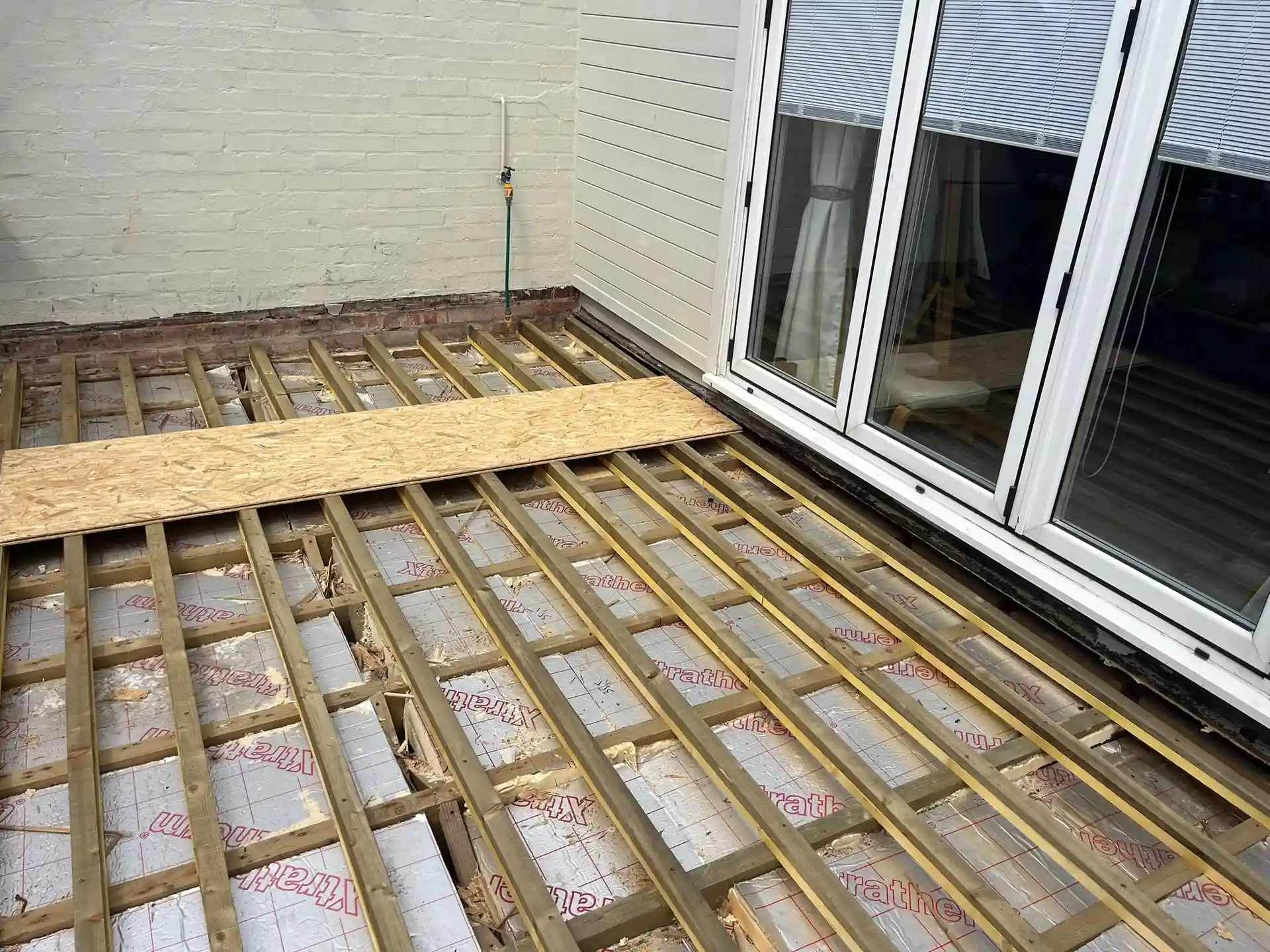
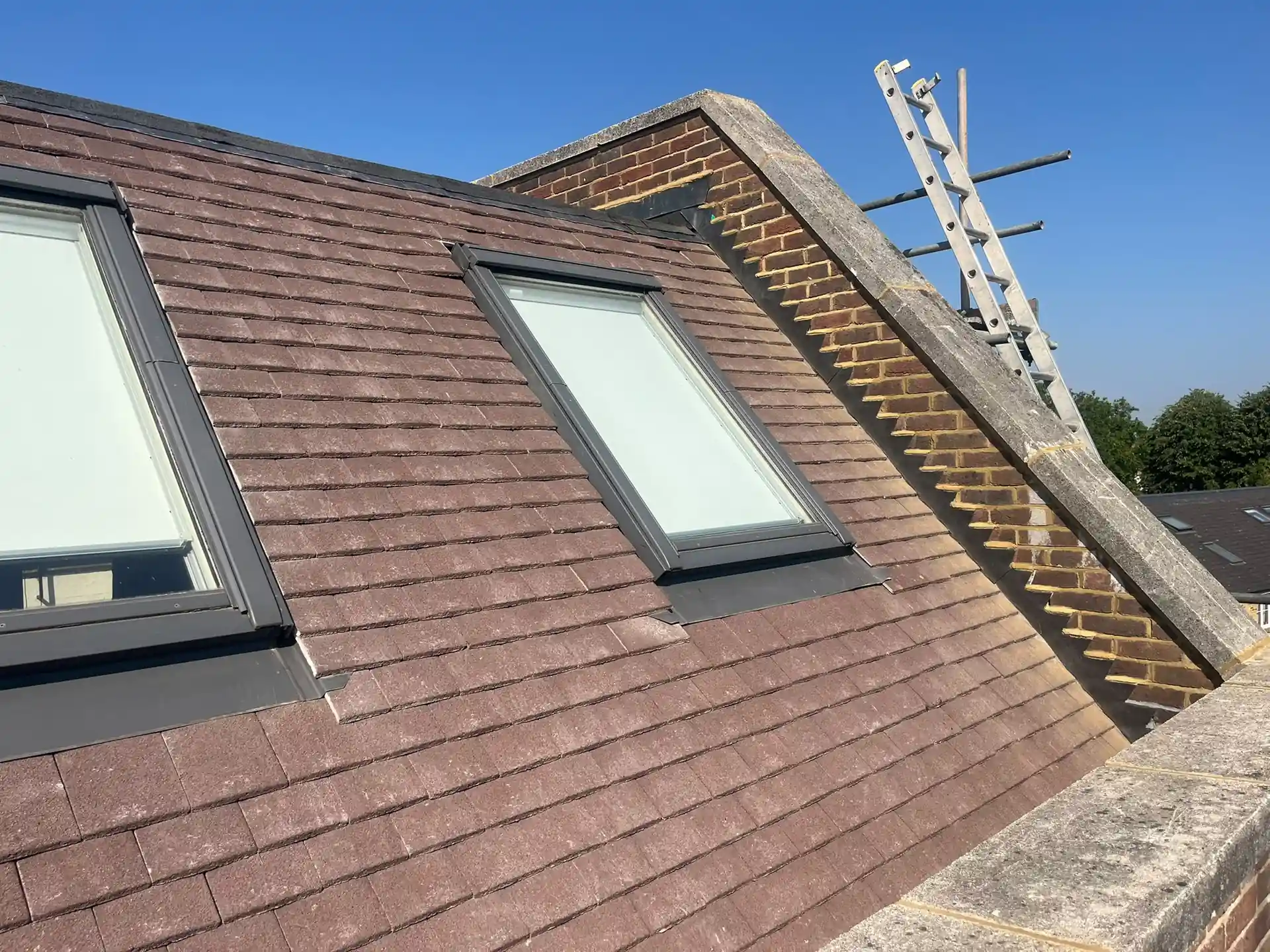
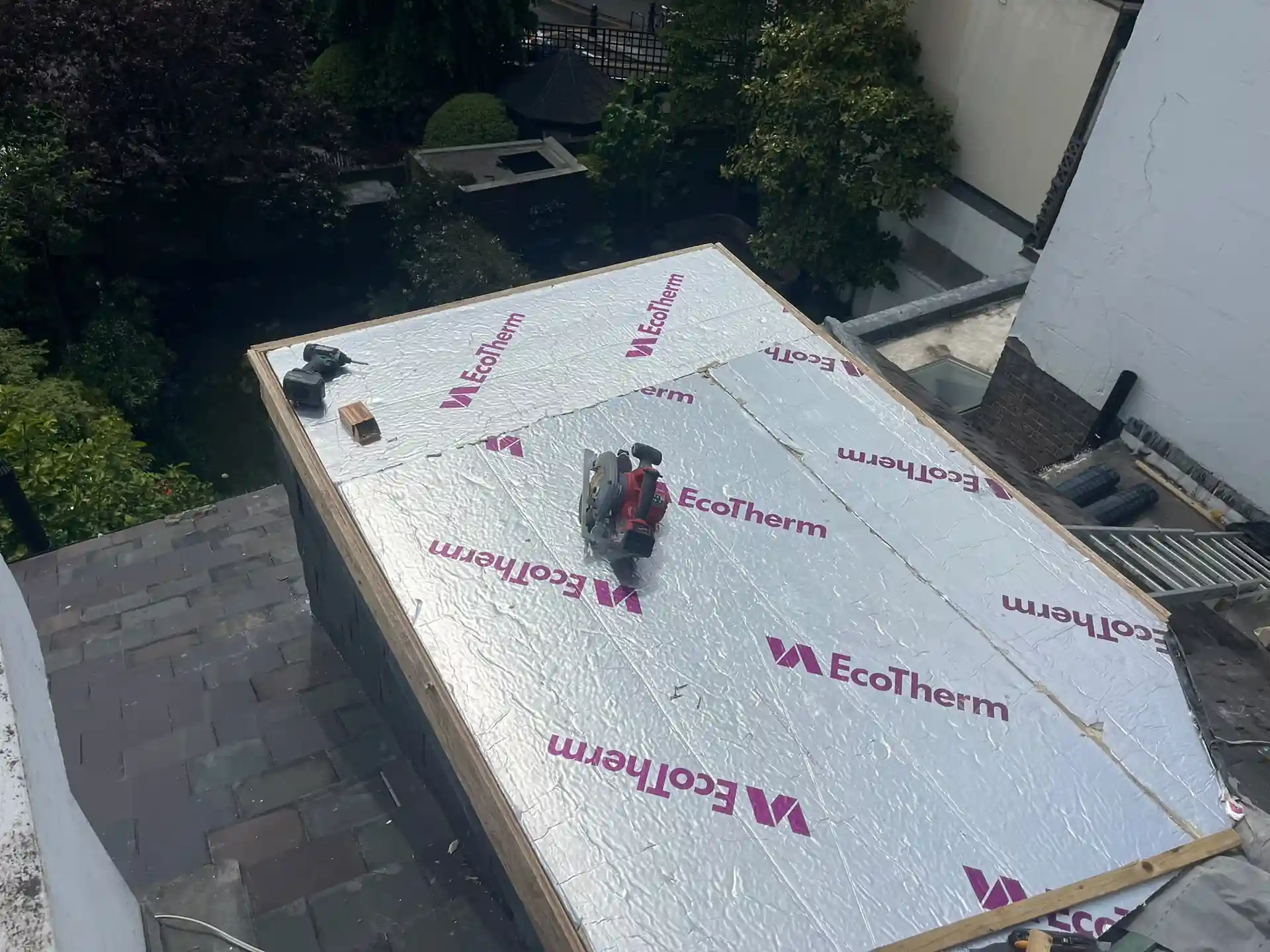
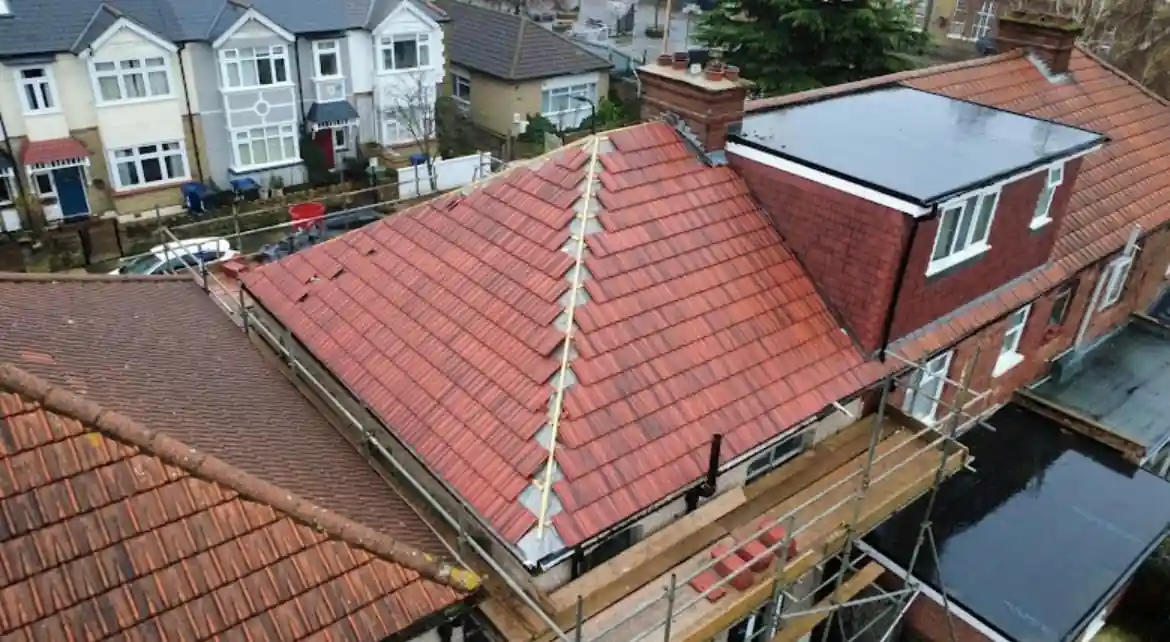
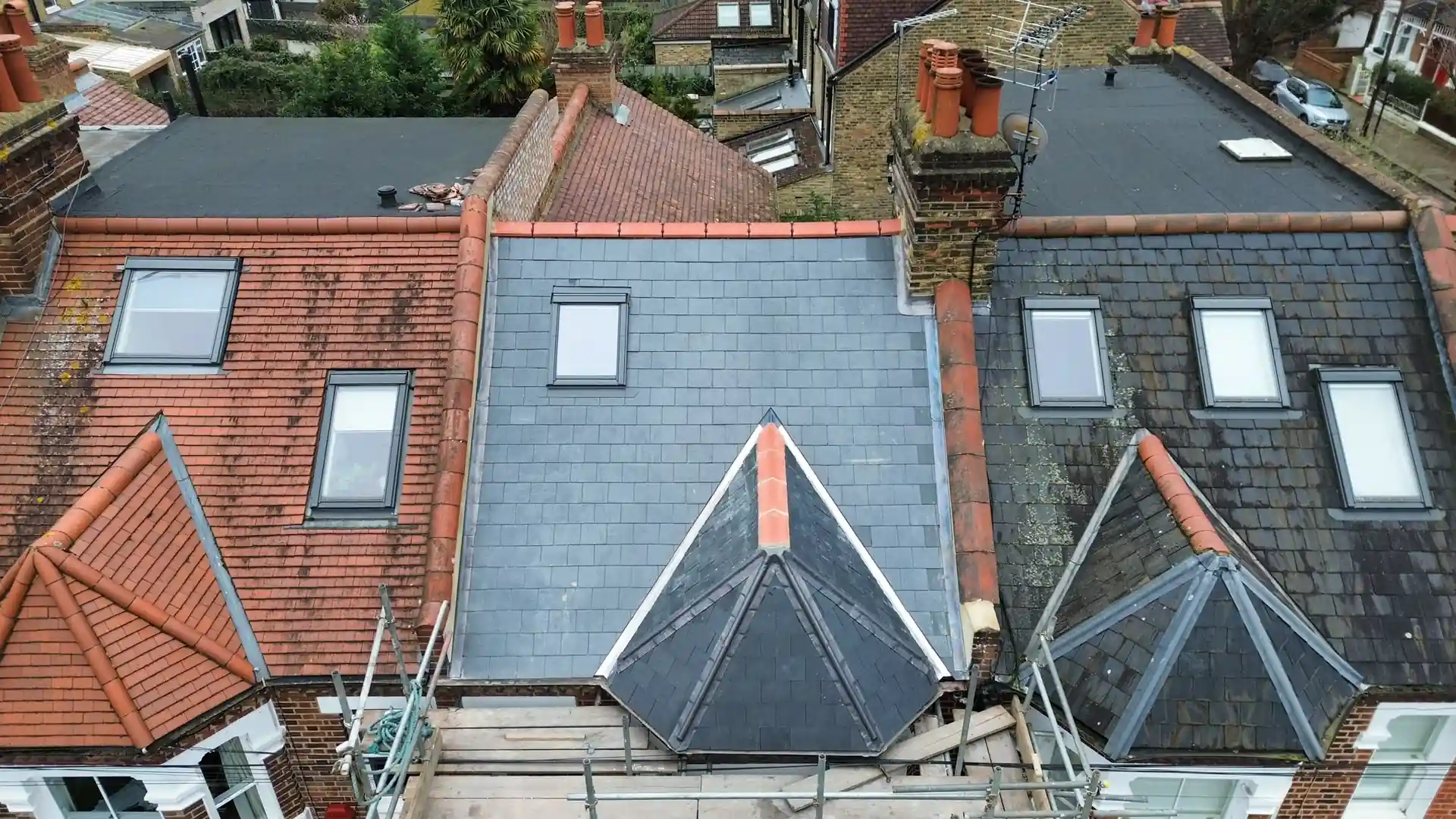
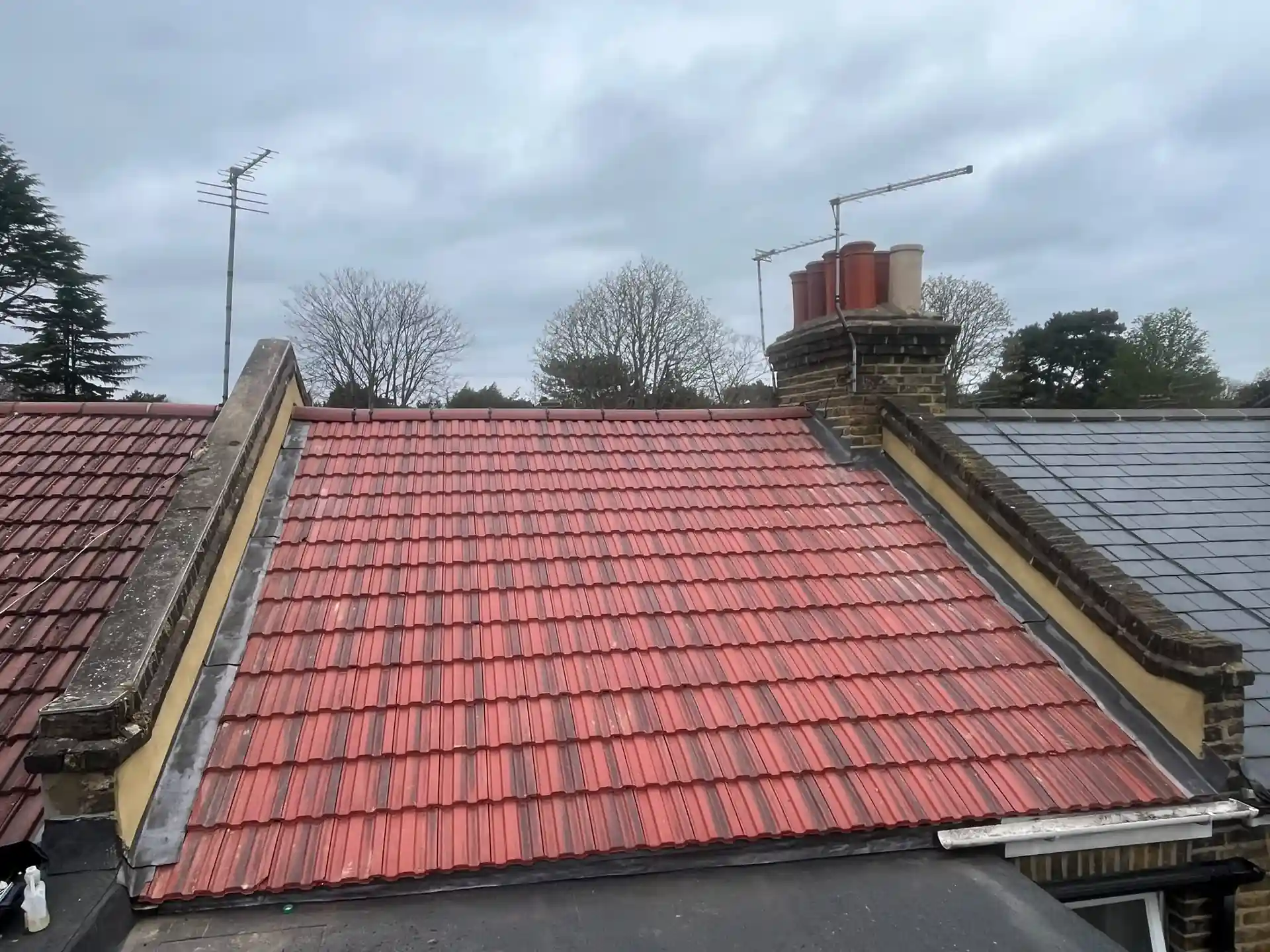
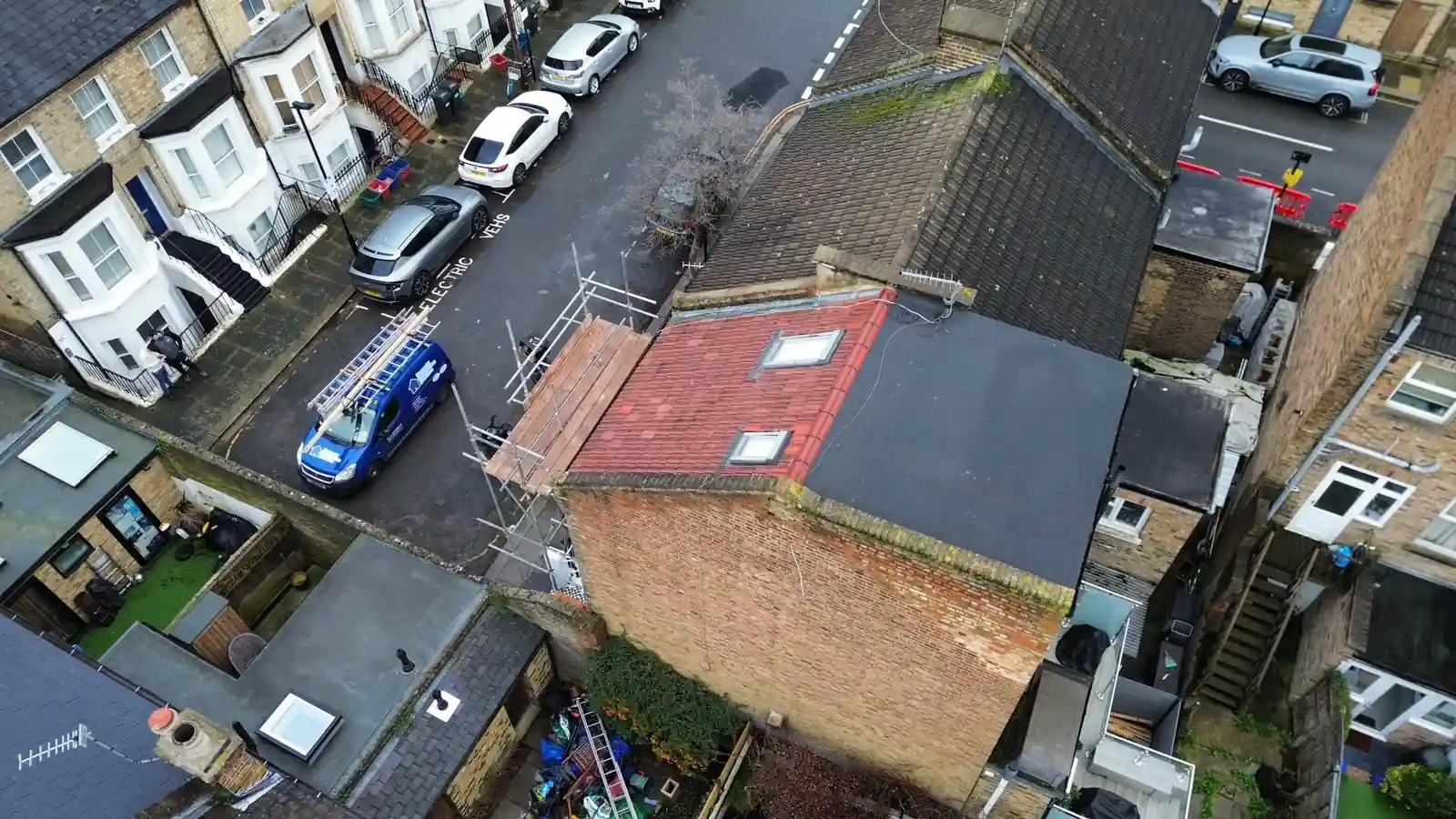
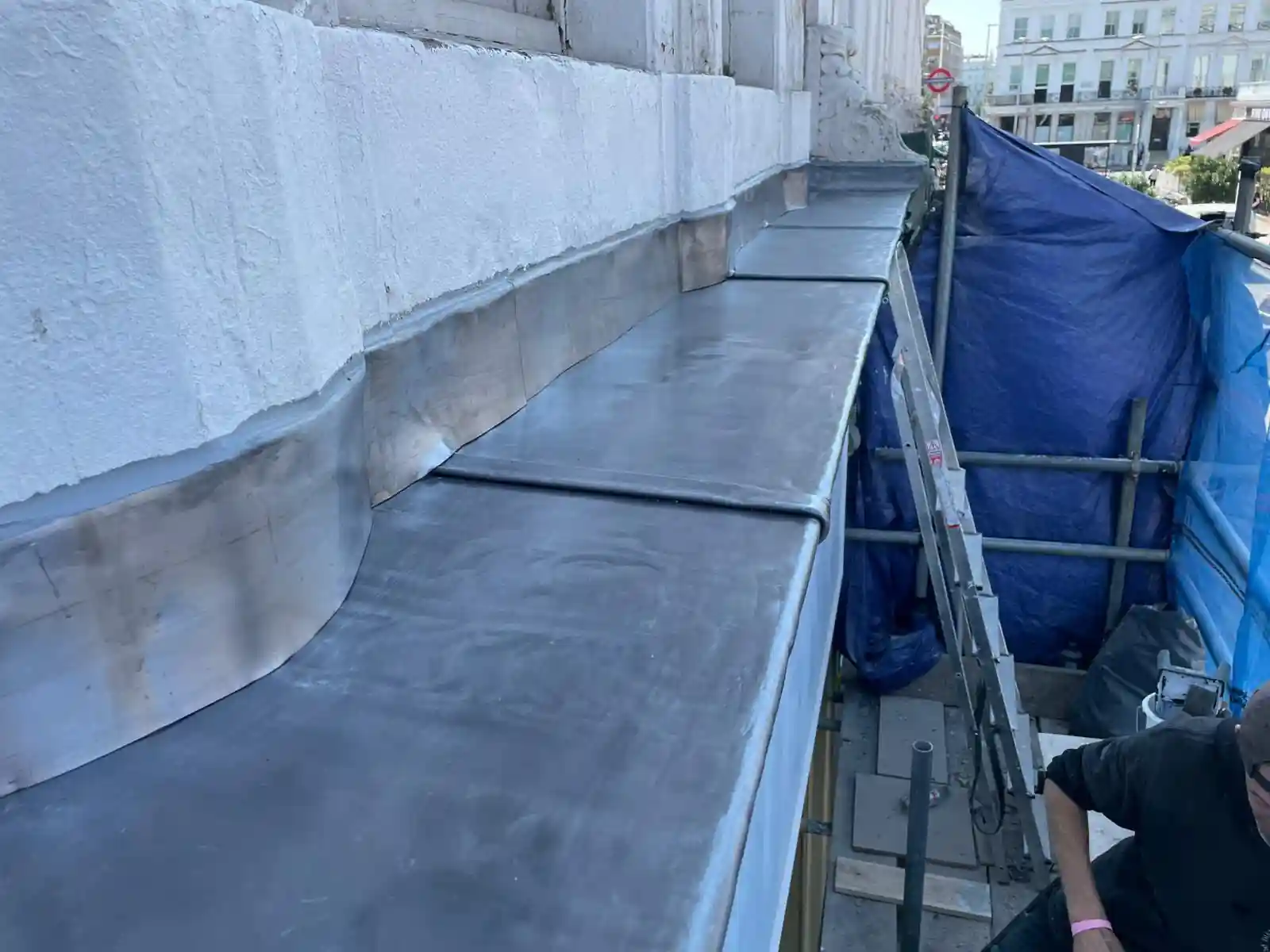
The most common issues are slipped or cracked tiles on the Victorian terraces, ponding water on flat roofs added over rear extensions, and blocked gutters on the mansion blocks along Electric Avenue and Coldharbour Lane. Brixton's high rate of conversion into flats means a single roof often serves more than one household, so a fault on one section, such as a flat roof over a ground floor rear addition, can show up as a leak reported by an upstairs flat rather than the flat directly below the damage. Rear extensions built without adequate falls for drainage are a particularly frequent cause of repeat callouts, since water sits on the roof rather than running off, gradually finding its way through joints and flashing not designed to sit under standing water.
Which Brixton streets or areas do you see the most roofing work on?
We see the most repeat work on the residential streets off Brixton Hill and around Brixton Water Lane, where Victorian terraces have been converted into flats with rear extensions added below flat roofs. Around Electric Avenue, Coldharbour Lane and Rushcroft Road, the purpose built Victorian and Edwardian mansion blocks generate a different type of job, usually gutter clearance or flashing repair on a larger flat or low pitch roof shared by several flats. Streets closer to Brixton Market and the high street also bring in commercial roofing work, covering shop units, storage areas and flats above shops. Across all of these, the common thread is a roof originally built for one household now serving several, which changes how quickly a fault needs attention and who needs to approve the repair.
Do you offer a roof survey before a purchase or lease renewal?
Yes. We carry out roof condition inspections for homeowners, buyers and managing agents who need a clear picture of a roof's condition before completing a purchase or renewing a lease. The inspection covers tile or slate condition, flashing, any flat roof sections added over extensions, and visible signs of water ingress, with a written report provided afterward. This is a common request in Brixton given how many properties have been converted into flats, since a buyer taking on a share of the freehold often wants to know the condition of a roof they will be jointly responsible for maintaining before committing to the purchase. We can also flag any work likely to need approval from a freeholder or other leaseholders.
Who is responsible for a shared roof in a Brixton conversion, me or my neighbour?
This depends on the freehold and lease arrangements for the specific building, and it comes up often in Brixton given how many Victorian terraces have been split into flats. In many conversions the main roof is a shared responsibility between all flats under the freehold or a management company, while a flat roof extension built later to serve a single ground floor flat may be that leaseholder's sole responsibility. We can identify which section of the roof is affected during our inspection, but recommend checking your lease or speaking to your managing agent to confirm liability before work on a shared section proceeds, particularly where more than one household needs to agree to the repair.
Why does the same roof leak keep coming back?
A recurring leak usually means the original repair only addressed the visible symptom rather than the underlying cause, commonly a flat roof with insufficient fall, a blocked outlet further along a shared gutter run, or a second failure point in flashing that was not inspected the first time. On Brixton's converted terraces this is especially common where a rear extension roof was added without proper drainage falls, so water continues to pond after a patch repair even though the immediate leak has stopped. We check the full roof, including any shared sections and the point where a flat roof meets the original pitched roof, rather than only patching the exact spot where water was seen coming through.
Can roof repairs be carried out without scaffolding?
Many repairs on Brixton's terraces and flat roof extensions can be carried out using a tower or ladder access rather than full scaffolding, particularly for isolated tile replacement, flashing repair or work on a single storey rear extension roof. Larger jobs, such as a full roof replacement on a pitched terrace or extensive work on a mansion block, may need scaffolding for safe access, especially where the work covers a shared roof used by several flats. We confirm the access method needed during the inspection so you know what to expect before work is scheduled, and we plan scaffolding to minimise disruption to residents below and to any shop units at ground level.