
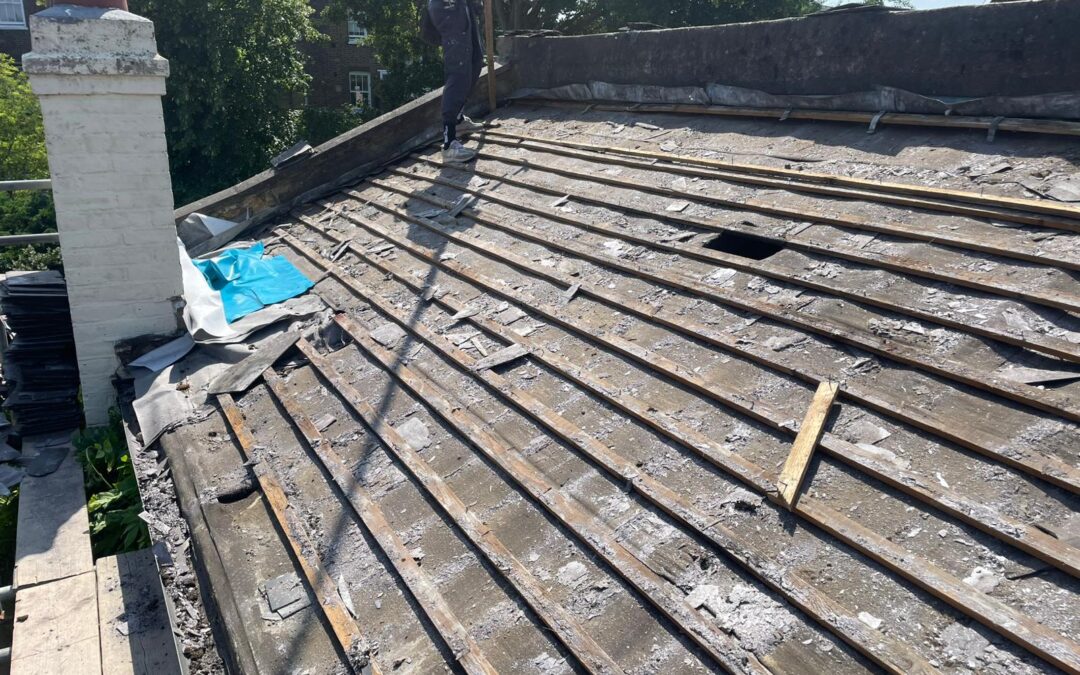
Dealing with a leaking roof is one of the most frustrating and common property issues homeowners face across the country. Thanks to our famously unpredictable weather, roofs take a constant beating. From driving rain and high winds to freezing frost and sudden heatwaves, the elements constantly test the limits of your property’s exterior.
Understanding why roofs leak in UK homes is the first step to protecting your property. When you identify the causes of roof damage early, you can prevent minor drips from turning into expensive structural nightmares. Whether it is a loose tile or failed leadwork, catching the issue early saves time, money, and stress.
If you suspect a problem, you need experts you can trust. Property Restoration Services London Ltd are your trusted local roofing specialists. From routine maintenance to emergency roof repairs West London, our experienced team in Chiswick, Hammersmith, Ealing, and Acton is ready to help keep your home safe and dry.
What Are the Most Common Causes of Roof Leaks in UK Homes?
If you are looking for a quick answer as to why your ceiling is dripping, here are the most frequent culprits:
- Damaged or missing roof tiles: Easily dislodged by high winds.
- Failed flashing around chimneys and joints: Deteriorating seals let water seep through.
- Blocked gutters causing water overflow: Debris forces water back under the roofline.
- Cracked or ageing roofing materials: Wear and tear compromises waterproofing.
- Poor installation or wear and tear: Substandard workmanship leads to early failure.
- Flat roof drainage issues: Ponding water degrades membranes over time.
Broken or Missing Roof Tiles
Broken roof tiles leaks are a leading cause of water ingress in traditional pitched roofs.
How Storms and Wind Displace Tiles
High winds create an uplift effect that can easily dislodge slate or clay tiles. Once a single tile shifts or breaks, the interlocking system is compromised.
Why Even a Single Missing Tile Causes Leaks
It may seem like a minor issue, but just one missing tile creates a direct entry point for rain. Water can travel under roof layers unnoticed, running along the underlay and rafters before eventually pooling and dripping through your bedroom ceiling. Prompt professional roof leak repair is essential to fix these gaps before rot sets in.
Damaged Roof Flashing
Roof flashing problems are incredibly common but often overlooked by homeowners until a major leak appears. Flashing is the thin material—usually lead or steel—installed to direct water away from critical areas of the roof.
Chimney Flashing Failures and Leadwork
The area where your chimney meets the roof is highly vulnerable. If the mortar holding the flashing cracks, or the leadwork itself deteriorates due to age, water will easily seep down the chimney breast and into your home.
Skylights and Roof Junctions
Any roof junction, skylight, or vent requires robust flashing. These are weak points by nature. When the seals dry out, lift, or crack, flashing becomes a major leak source.
Blocked or Overflowing Gutters
You might not associate your gutters with roof leaks, but clogged gutters roof leaks are a frequent winter headache.
Leaf Buildup and Debris
During autumn, leaves, twigs, and moss wash down your roof and collect in the gutters. If they are not cleared out, this debris forms a dam.
Water Backing Up Into Roof Edges
When water cannot flow down the downpipe, it has nowhere to go but up and over. It backs up under the roof tiles and saturates the timber fascia boards. Over time, this causes damp walls and internal leaks that are incredibly costly to fix.
Flat Roof Problems
Flat roofs are highly practical, particularly for extensions and garages, but they come with their own specific flat roof leak causes.
Ponding Water
Without a significant pitch, water can sit on the roof’s surface after heavy rain. This “ponding” adds immense weight to the structure and slowly degrades the roofing material.
Cracks in Felt or Membrane
Traditional felt roofs are prone to drying out and cracking. Once a small split appears in the membrane, water will find its way into the timber decking below.
Poor Drainage Design
If the roof was not designed with a subtle slope toward the drainage outlets, water will inevitably pool. Proper drainage design is critical for flat roof longevity.
Heat Expansion Damage
During the summer, flat roofs absorb a lot of heat. The materials expand in the sun and contract in the cool evening. This constant thermal movement can pull seams apart, creating invisible entry points for water.
Ageing Roof Materials
No roof lasts forever. Understanding roof damage causes often comes down to simply looking at the age of the property.
Natural Wear Over Time
Over decades of exposure to the elements, materials simply break down. Slate can flake, clay tiles can become porous, and roofing felt can turn brittle.
Loss of Waterproofing
As tiles and membranes become brittle, they lose their ability to repel water effectively. What was once a robust barrier against the rain becomes a sponge, eventually leading to widespread leaking roof problems that require a full replacement rather than a patch repair.
Poor Roof Installation
Unfortunately, not all roofing work is carried out to the same high standard. Poor installation is a frustrating but common cause of leaks.
Incorrect Tile Alignment and Weak Sealing
If tiles are not aligned correctly or overlap poorly, wind-driven rain will blow straight underneath them. Similarly, if cheap materials are used or flashing is not sealed with the correct bonding agents, the roof is destined to fail.
Long-Term Leak Risk from Bad Workmanship
Bad workmanship guarantees a high long-term leak risk. This is why it is critical to hire trusted roof repair specialists Chiswick to ensure the job is done right the first time.
Weather Damage in the UK
The UK climate plays a massive role in accelerating roof wear and tear.
Storms, High Winds, and Heavy Rainfall
Gale-force winds rip off ridge tiles, while torrential downpours test the capacity of your drainage systems. Our weather is notoriously hard on property exteriors.
Frost and Freeze-Thaw Cycles
During winter, water seeps into tiny cracks in roofing materials. When the temperature drops below freezing, that water turns to ice and expands. This “freeze-thaw” cycle shatters tiles and rips apart mortar, drastically accelerating roof damage.
Signs Your Roof May Be Leaking
Do not wait for a collapsed ceiling to take action. Look out for these early warning signs:
- Damp ceiling patches: Usually appearing as brown, ring-like water stains on ceilings or walls.
- Dripping water indoors: The most obvious sign, particularly during heavy rain.
- Musty smell in the loft: Damp timber and insulation will emit a stale, mouldy odour.
- Missing tiles visible from the ground: If you can see gaps in your roofline, water is likely getting in.
- Increased energy bills: Wet insulation loses its thermal efficiency, meaning your heating has to work harder.
Why Roof Leaks Should Be Fixed Quickly
Ignoring a minor drip is a dangerous game. Here is why you need to act fast:
Structural Damage Risks
Water rots the timber joists and rafters that hold your roof up. Left untreated, the structural integrity of your home can be compromised.
Mould Growth and Electrical Hazards
Damp environments are breeding grounds for black mould, which poses severe respiratory health risks. Furthermore, water dripping near light fittings or wiring creates a very real risk of fire or electrocution.
Expensive Long-Term Repairs
A quick patch repair might cost a small amount today, but replacing rotten roof timbers and replastering ceilings will cost thousands tomorrow.
How Professionals Diagnose Roof Leaks
Finding the exact source of a leak is rarely straightforward. Water travels along beams and underlay, meaning the drip on your ceiling might be meters away from the actual hole in the roof.
Identifying Entry vs Visible Leak Points
Professional roofers conduct thorough internal and external roof inspections. We look for water trails in the loft to trace the moisture back to its true entry point.
The Right Tools and Experience
Using decades of experience and specialized equipment, experts can pinpoint compromised flashing, tiny cracks, and hidden damage that an untrained eye would miss.
Temporary vs Permanent Repairs
|
Repair Type |
What It Involves |
Best For |
|---|---|---|
|
Temporary Repair |
Tarping the roof, applying emergency sealant, or clearing blocked drainage. |
Stopping water ingress immediately during a storm or emergency situation. |
|
Permanent Repair |
Replacing tiles, re-bedding ridge tiles, installing new flashing, or replacing membranes. |
Ensuring long-term waterproofing and structural safety once the weather clears. |
Why Choose Property Restoration Services for Roof Repairs?
When dealing with a leaking roof, you need a fast, reliable, and professional team. Property Restoration Services London Ltd is the leading roofing company London homeowners trust.
We offer a fast response in West London, with emergency repair availability to stop water damage in its tracks. Our experienced roofing specialists use only high-quality materials and deliver exceptional workmanship for both residential and commercial properties.
Our comprehensive services include:
- Roof repairs
- Emergency roofing
- New roofs
- Flat roofing
- Slate & tile roofing
If you need local roofing experts, look no further than our dedicated team.
FAQs
1. What are the most common roof leak causes?
The most common roof leak causes UK homes experience include broken or missing tiles, damaged flashing around chimneys, blocked gutters, and failing flat roof membranes due to age or ponding water.
2. How do I know where my roof is leaking from?
It can be difficult because water travels along rafters before dripping onto the ceiling. The best way is to check the loft during rain to trace the water trail, or hire a professional roofer to conduct a diagnostic inspection.
3. Are roof leaks an emergency?
If water is pouring into your home, near electrical fittings, or causing the ceiling to bow, it is an emergency. You should seek emergency roof repairs to prevent structural collapse or electrical fires.
4. How long can a roof last before leaking?
A well-installed slate or clay tile roof can last 50-100 years, while a standard flat roof membrane typically lasts 15-25 years. However, severe weather or poor installation can drastically reduce these lifespans.
5. Do roofers fix leaks permanently?
Yes, a reputable roofer will identify the root cause of the leak and provide a permanent solution such as replacing flashing or re-tiling an area rather than just applying a temporary sealant.
6. What is the fastest way to stop a roof leak?
The fastest way to stop an active leak is to place a bucket under the drip indoors and call an emergency roofer to apply a heavy-duty waterproof tarp over the damaged area externally until proper repairs can be made.
Conclusion
Understanding the most common causes of roof leaks from broken roof tiles and damaged flashing to blocked gutters and ageing materials—is essential for maintaining a safe, dry home. The unpredictable UK weather takes a toll on our properties, making proactive maintenance and early detection vital.
Never ignore a damp patch or a dripping ceiling. Addressing a small leak today prevents catastrophic structural damage and expensive repairs tomorrow.
If you suspect your roof has been compromised, do not wait for the next storm. Contact the experts at Property Restoration Services London Ltd today. For thorough roof inspections and professional roof repair specialists Chiswick and West London, reach out to our team to secure your home.