
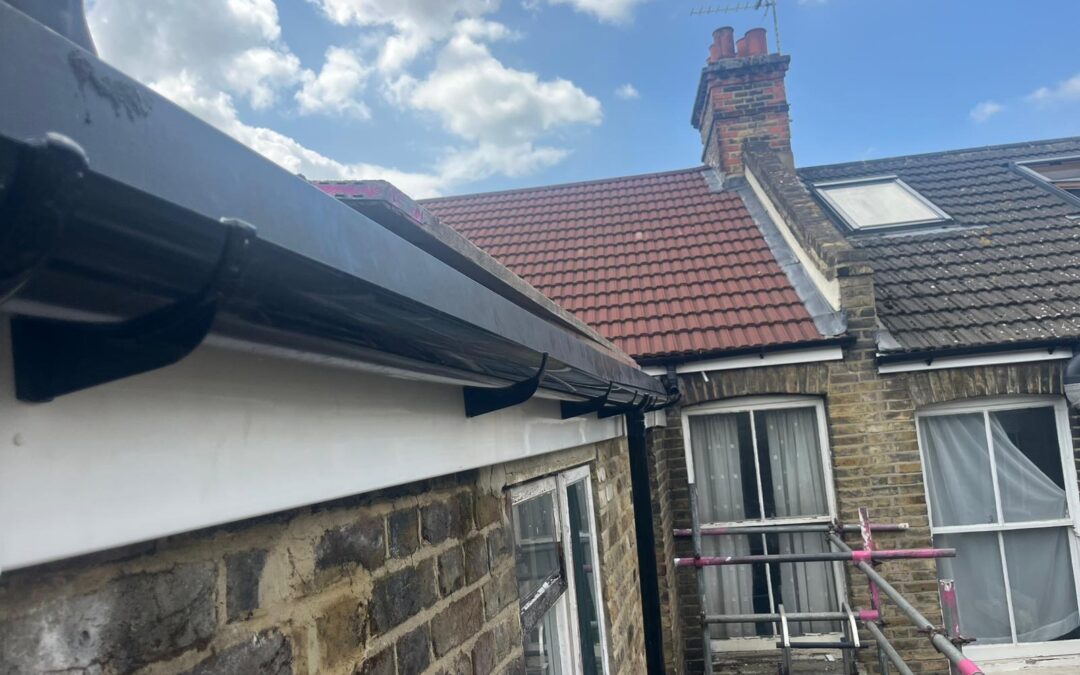
Your roof acts as the primary shield protecting your property from the elements. Because it handles heavy rain, strong winds, and fluctuating temperatures, the roof remains one of the most important structural components of any building. When investing in a property upgrade, homeowners frequently ask: exactly how long does a new roof last in the UK?
The answer depends heavily on the materials you choose, the standard of the installation, and how well you maintain the structure over time. Weather patterns also play a major role, especially in the UK where wet and windy conditions test the limits of building materials. As trusted roofing specialists based in West London, Property Restoration Services London Ltd helps homeowners navigate these choices daily. We understand that replacing a roof requires a significant investment, and you need assurance that your new roof will stand the test of time.
If you want expert guidance on new roof installations in Chiswick, Hammersmith, Ealing, or Acton, our team provides durable roofing solutions tailored to your property.
The Short Answer: New Roof Lifespan UK
How long does a new roof last in the UK?
Most new roofs last between 20 and 100+ years, depending on the materials used and the quality of the installation.
- Asphalt/Felt Roofs: 15 to 30 years
- Concrete Tiles: 40 to 60 years
- Clay Tiles: 50 to 70 years
- Slate Roofs: 75 to 100+ years
- Flat Roofs (EPDM/GRP): 30 to 50 years
Average Lifespan of Different Roofing Materials
Choosing the right material forms the foundation of your roof replacement guide. Different materials offer varying levels of durability, weather resistance, and visual appeal.
Here is a detailed comparison of durable roofing materials commonly used across the UK:
|
Roofing Material |
Average Lifespan |
Maintenance Level |
Weather Resistance |
Typical UK Usage |
|---|---|---|---|---|
|
Natural Slate |
75 – 100+ years |
Low |
Excellent |
Period homes, heritage properties |
|
Clay Tiles |
50 – 70 years |
Low to Medium |
High |
Traditional homes, pitched roofs |
|
Concrete Tiles |
40 – 60 years |
Medium |
High |
Modern residential properties |
|
EPDM Rubber |
30 – 50 years |
Low |
High |
Flat roofs, extensions, garages |
|
GRP Fibreglass |
30 – 40 years |
Low |
Excellent |
Flat roofs, commercial properties |
|
Metal Roofing |
40 – 70 years |
Low |
Excellent |
Agricultural, modern architecture |
|
Felt Flat Roofs |
15 – 30 years |
Medium |
Moderate |
Sheds, older flat roof extensions |
What Affects the Lifespan of a Roof?
Even the best materials will fail early if other factors undermine their integrity. Several crucial elements dictate your roof replacement lifespan.
Quality of Installation
Poor workmanship drastically reduces the life of any roof. If contractors install underlay incorrectly, leave gaps in the flashing, or secure tiles poorly, water will find its way in. A faulty installation often leads to leaks within the first few years, turning a long-term investment into a costly nightmare.
Roofing Materials Used
As shown in the table above, the inherent durability of the material sets the baseline for its lifespan. Natural stone outlasts manufactured rubber, and concrete outlasts felt.
UK Weather Conditions
The UK climate throws everything at our roofs. Heavy rainfall, freezing temperatures, snow, and strong winds cause materials to expand, contract, and degrade. Coastal areas face additional challenges from salt water, while urban areas like West London deal with pollution that can slowly degrade certain materials.
Ventilation and Insulation
A poorly ventilated loft traps heat and moisture. In winter, this causes condensation, leading to rotting roof timbers and degraded insulation. Good ventilation ensures the structural supports remain dry and strong for decades.
Roof Maintenance
Neglecting minor repairs leads to major structural damage. Replacing a single cracked tile prevents water from rotting the battens beneath. Regular upkeep adds years to your roof’s life.
Gutter Condition
Blocked gutters force rainwater to overflow or back up under your roof tiles. This damages the fascia boards and the edges of your roof. Keeping gutters clear prevents unnecessary water damage.
Tree Coverage and Debris
Overhanging branches pose a dual threat. They drop leaves and moss onto the roof, trapping moisture, and they can physically damage tiles during high winds.
Storm Damage
Severe storms can rip tiles from the roof or hurl debris onto flat surfaces. Even high-quality roofs suffer unexpected damage during extreme weather events.
Contact Property Restoration Services today for expert new roof installations in Chiswick.
How Long Do Slate Roofs Last?
Slate stands out as one of the most durable roofing materials available. When you look at period homes across London, many still feature their original slate roofs.
Natural Slate Durability
A well-installed natural slate roof boasts a lifespan of 75 to 100+ years. Slate represents a highly dense rock that absorbs minimal water, making it virtually frost-proof. It withstands extreme temperature changes without cracking or fading.
Popularity in Period Homes
Slate roof lifespan makes it the top choice for Victorian and Edwardian properties. It preserves the historic character of the building while providing modern weather protection.
Maintenance Requirements
While slate itself lasts a century, the fixings holding it in place may not. The iron or copper nails can corrode over 50 years, causing tiles to slip. Maintenance usually involves checking and replacing these fixings rather than the slate itself.
Long-Term Value
Slate carries a higher upfront cost compared to concrete or clay. However, because you likely will never need to replace the roof again in your lifetime, it offers exceptional long-term financial value.
How Long Do Tile Roofs Last?
Tiled roofs dominate the UK housing market. They offer a great balance of cost, aesthetic appeal, and durability.
Concrete vs Clay Tiles
Concrete tiles typically last 40 to 60 years. They are heavy, robust, and cost-effective. Clay tiles generally last longer, offering a lifespan of 50 to 70 years. Clay retains its colour better than concrete and offers a traditional, warm aesthetic.
Common Maintenance Issues
The main threat to a tile roof lifespan involves the accumulation of moss. Moss absorbs moisture and acts like a damp sponge sitting on your roof. During winter, this moisture freezes and expands, which can crack the tiles.
Weather Exposure
High winds can dislodge ridge tiles if the mortar degrades. Regular checks ensure the cement work remains intact and the tiles stay securely fastened.
How Long Do Flat Roofs Last?
Homeowners often view flat roofs with suspicion, remembering the leaky felt roofs of the past. Today, modern materials have transformed flat roof lifespan UK expectations.
Felt Roofing
Traditional torch-on felt roofing remains a budget-friendly option. A high-quality, multi-layer felt roof lasts between 15 and 30 years. It requires regular inspection as the sun’s UV rays eventually dry out the bitumen, leading to cracking.
EPDM Rubber Roofing
Ethylene Propylene Diene Monomer (EPDM) acts as a highly durable synthetic rubber membrane. Installers usually fit it in a single piece, meaning no seams for water to penetrate. An EPDM roof easily lasts 30 to 50 years with minimal maintenance.
GRP Fibreglass Roofing
Glass Reinforced Plastic (GRP) provides a seamless, tough finish. It withstands foot traffic well and handles standing water without degrading. GRP fibreglass roofs typically last 30 to 40 years.
Signs Your Roof May Need Replacing
You can often spot the warning signs before a total roof failure occurs. Look out for these indicators that you need roof replacement services:
- Frequent leaks: If you constantly patch different areas, the underlying waterproof barrier has likely failed.
- Missing or cracked tiles: A few broken tiles require a quick fix. Widespread damage indicates the materials have reached the end of their lifespan.
- Sagging roof areas: A dip in the roofline points to rotting structural timbers or excess weight. This requires immediate professional attention.
- Moss and moisture damage: Excessive moss growth often hides soft, degraded roofing materials underneath.
- Daylight in loft spaces: If you can see sunlight coming through your roof boards, water can enter just as easily.
- Increasing repair costs: When the cost of continuous patch repairs exceeds the price of financing a new roof, replacement makes financial sense.
- Ageing materials: If your concrete tile roof is over 50 years old, it operates on borrowed time.
Protect your property with durable roofing solutions built to last. Contact us today.
Can Roof Maintenance Extend Roof Lifespan?
Absolutely. Proactive roof maintenance tips save homeowners thousands of pounds in the long run. By catching small issues early, you stop them from escalating into structural damage.
Preventative Repairs
We recommend annual roof inspections, particularly before winter sets in. A professional roofer can safely check the ridge tiles, lead flashing, and chimney stacks. Replacing damaged tiles early keeps the underlay dry.
Roof and Gutter Cleaning
Keeping your roof free of heavy moss protects the tiles from frost damage. Similarly, clearing gutters twice a year stops water from backing up and rotting your fascia boards.
Flashing Checks
The lead flashing around chimneys and vents acts as a vital seal. If this lifts or cracks, water pours straight into the loft. Checking these seals extends the overall health of the roofing system.
Roof Replacement vs Roof Repairs
When facing roof trouble, homeowners must decide between a targeted repair and a full replacement.
|
Factor |
Roof Repair |
Roof Replacement |
|---|---|---|
|
Best For |
Minor damage, isolated leaks, young roofs |
Widespread damage, structural issues, old roofs |
|
Cost |
Low immediate cost |
High upfront cost, excellent long-term value |
|
Energy Efficiency |
Minimal impact |
High impact (allows for modern insulation upgrades) |
|
Peace of Mind |
Short-term fix |
Decades of guaranteed protection |
If your roof is relatively new and suffered localized storm damage, a repair makes sense. If your roof is 60 years old and leaking in multiple rooms, a replacement proves much more cost-effective over the next decade.
Why Professional Roof Installation Matters
You should never cut corners when installing a new roof. Professional local roofing company services ensure the job meets exact building regulations.
Proper ventilation prevents damp, whilst high-quality waterproofing keeps your home completely dry. Experienced contractors understand the structural integrity required to support heavy materials like clay or slate. Furthermore, professional installation guarantees that manufacturer warranties remain valid. Many manufacturers void their material warranties if uncertified individuals perform the installation.
Why Choose Property Restoration Services for New Roofs?
When you need a reliable roofing company West London, Property Restoration Services London Ltd delivers unmatched expertise. With over 20 years of experience, we operate as fully insured roofing specialists dedicated to protecting your home.
We handle everything from minor chimney repairs to complete flat and tiled roofing experts installations. Our team uses only the highest-quality roofing materials to ensure your property remains secure for decades.
We provide:
- New roof installations
- Roof repairs
- Flat roofing (EPDM, GRP, Felt)
- Slate & tile roofing
- Emergency roofing
- Chimney and gutter repairs
Every new roof comes with a 10-year workmanship guarantee. We offer fast inspections and free quotes, providing comprehensive coverage across Chiswick, Hammersmith, Ealing, and Acton.
Speak to trusted local roofers for a free roof inspection and quote today.
FAQs
How long should a new roof last in the UK?
A new roof should last between 20 and 100 years, depending on the material. Felt flat roofs last around 20 years, concrete tiles up to 60 years, and natural slate can exceed 100 years.
How often should roofs be inspected?
You should have your roof inspected once a year, ideally in the autumn, to ensure it is ready for harsh winter weather. You should also check it after any severe storms.
How long do flat roofs last?
Modern flat roofs last much longer than older versions. EPDM rubber and GRP fibreglass flat roofs typically last between 30 and 50 years when installed correctly.
Can roof maintenance extend lifespan?
Yes. Regular maintenance, such as replacing cracked tiles, cleaning gutters, and removing heavy moss, stops moisture from penetrating the roof space and rotting the timber structure.
Is a new roof a good investment?
Yes. A new roof vastly improves your home’s energy efficiency, increases property value, boosts curb appeal, and provides decades of secure weather protection.
How much does a new roof cost in the UK?
Costs vary widely based on property size, location, and chosen materials. Contact Property Restoration Services for a free, accurate quote tailored to your specific building.
Conclusion
Understanding how long a new roof lasts in the UK helps you make informed decisions about your property. While materials like slate and clay offer incredible longevity, even budget-friendly modern flat roofs provide decades of protection. Remember that the ultimate lifespan of your roof relies on the quality of the initial installation and your commitment to regular maintenance. If you notice signs of ageing, acting early prevents costly interior water damage.
For trusted advice, premium materials, and flawless installations, rely on Property Restoration Services. Contact our roofing specialists in Chiswick today to arrange a free roof inspection and secure a comprehensive, no-obligation quote for your property.