
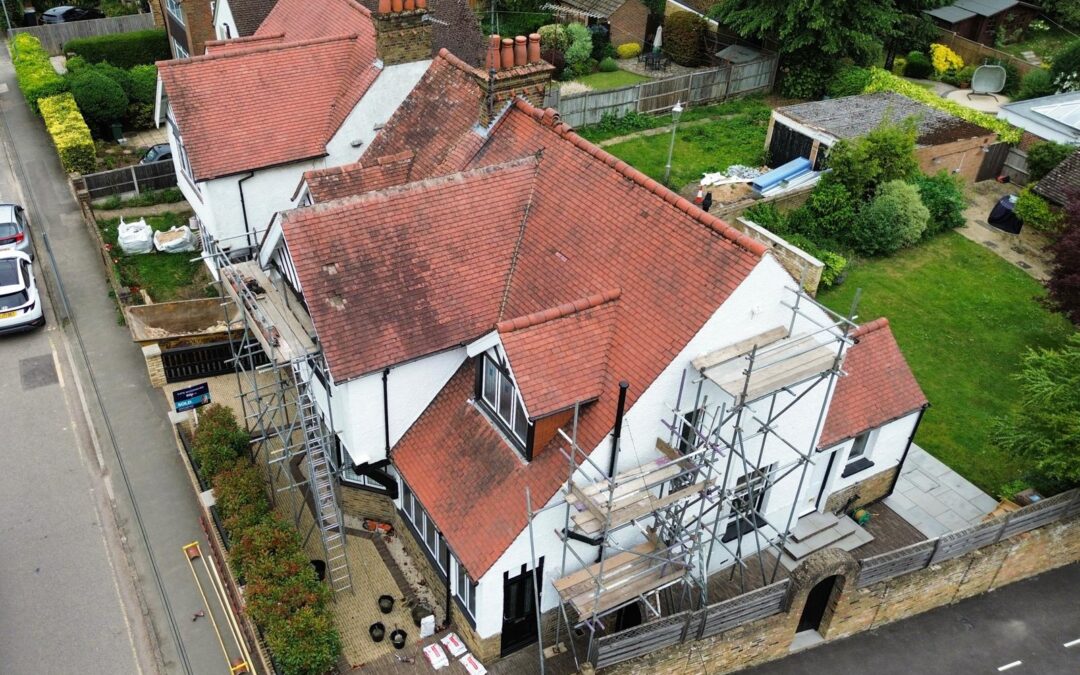
How long do slate and tile roofs last in the UK? It’s one of the most common questions we hear from homeowners, landlords, and property investors, and the honest answer is: it depends. A well-laid natural slate roof can comfortably last over a century, while some concrete tile roofs start showing their age after just four decades. Knowing where your roof sits on that scale can save you thousands of pounds and a great deal of stress.
Our climate is hard on roofs. Driving rain, strong coastal winds, frost, and the odd heatwave all take their toll year after year. Because of this, slate and clay tiles have long been the materials of choice across British housing stock, prized for their durability and their ability to shrug off the worst of our weather. Yet even the toughest roof has a working lifespan, and understanding that timeline helps you plan ahead rather than react to a crisis.
In this guide, we’ll walk you through how long different roofing materials genuinely last, what tends to fail first, and the warning signs that your roof may be nearing the end of its days. We’ll also explain when a repair makes sense and when a full roof replacement is the smarter investment.
As experienced property restoration specialists UK homeowners trust, we’ve inspected and replaced countless roofs across the country. If your roof is showing its age, our new roof installation services UK team can assess it properly and give you honest, practical advice. By the end of this article, you’ll have a clear understanding of roof longevity and the confidence to make the right decision for your property.
Here’s what we’ll cover:
- How long slate, clay, and concrete roofs really last
- What components fail before the tiles themselves
- The warning signs to watch for
- Whether to repair or replace
Overview of Slate and Tile Roofing in the UK
Slate and tile have dominated British roofs for generations, and there’s good reason for that. These materials handle our damp, changeable climate better than almost anything else, offering a blend of longevity, fire resistance, and classic kerb appeal.
Natural slate, much of it historically quarried in Wales, has roofed everything from Victorian terraces to grand country homes. Clay tiles, with their warm, earthy tones, are a familiar sight across the South East and the Midlands. Concrete tiles, meanwhile, became hugely popular from the mid-20th century onwards thanks to their lower cost.
The durability of these materials is no accident. Slate is a dense, naturally water-resistant stone that barely degrades over time. Clay tiles are fired at high temperatures, giving them a hard, weatherproof surface that ages gracefully.
However, the material on the surface is only part of the story. A roof is a complete system, and its overall lifespan depends just as much on the components hidden beneath the tiles. Understanding this distinction is the first step to making sensible decisions about your roof.
How Long Slate Roofs Typically Last
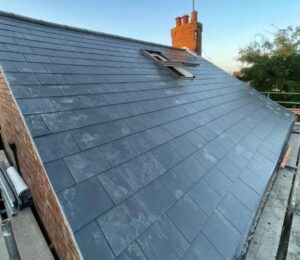
When people ask how long slate and tile roofs last in the UK, slate almost always comes out on top. Natural slate is the gold standard for longevity, with a typical lifespan of 80 to 150 years or more. It’s not unusual to see original Welsh slate still performing well on properties over a century old.
The slate roof lifespan UK homeowners can expect depends heavily on quality. Premium Welsh and Spanish slate sits at the top end of that range, while cheaper imported slate may need attention sooner.
Several factors affect how long your slate actually lasts:
- Quality of the slate denser, lower-porosity slate resists water and frost far better
- Quality of installation correct fixings and laps are essential
- Exposure coastal and high-altitude properties face harsher conditions
- Maintenance regular inspections catch small problems early
It’s worth remembering that even when the slate itself is sound, the nails holding it in place can corrode. This is known as “nail sickness,” and it causes slates to slip even though the stone remains perfectly good.
In short: natural slate is the longest-lasting roofing material you can choose, but its real-world lifespan still relies on quality installation and ongoing care.
How Long Clay and Concrete Tile Roofs Last
Tiles are the other half of the equation, and the answer to “how long do roof tiles last” varies considerably between clay and concrete.
Clay Tiles
Clay tiles typically last 60 to 100 years. Like slate, they’re a natural, fired material that holds up beautifully against UK weather. Many Edwardian and inter-war homes still wear their original clay tiles, a real testament to the material’s staying power.
Handmade clay tiles tend to outlast machine-made versions, and their colour holds well over decades. As a result, they remain a favourite for period properties and conservation areas where appearance matters.
Concrete Tiles
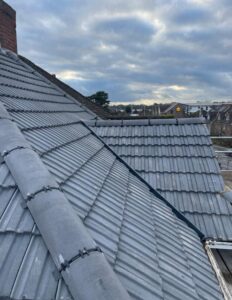
Concrete tiles are the more affordable option, but they don’t last as long, generally 40 to 60 years. Over time, concrete can become porous, lose its protective surface coating, and start absorbing water. This leads to moss growth, frost damage, and a tired, faded appearance.
When weighing up clay vs slate roof durability, both natural materials clearly outperform concrete over the long term. However, concrete still offers solid value for newer homes where budget is a priority.
If your concrete tiles are approaching the 40-year mark and looking worse for wear, our roof replacement experts can advise whether it’s time for a refresh.
In short: clay tiles can last close to a century, concrete tiles around half that, and both should be assessed regularly as they age.
What Actually Fails First in Roof Systems
Here’s something many homeowners don’t realise: the tiles or slates often aren’t the first thing to give way. The supporting components beneath them usually fail well before the surface material does.
A roof is a layered system. Below the visible tiles sit the underlay, the roof battens, and the fixings that hold everything together. Each of these has its own lifespan, and when one fails, water finds its way in.
- Underlay older bitumen felt typically lasts 30 to 40 years before it cracks and tears. Underlayment failure allows water ingress even when tiles look perfect.
- Roof battens timber battens can rot if moisture gets past the underlay, weakening the fixing points for tiles.
- Fixings nails and clips corrode over time, causing slates and tiles to slip, especially after storm damage.
This is why a 70-year-old slate roof might still have sound slates but desperately need re-felting and re-battening. As a result, a full strip and re-cover is often necessary even when the slate can be salvaged and reused.
Understanding this helps explain why a roof replacement timeline UK properties follow rarely matches the headline lifespan of the tiles alone. Our professional slate and tile roof installation team always assesses the whole system, not just the surface.
In short: underlay, battens, and fixings usually fail before the tiles, which is why the system’s age matters more than the material’s age.
Signs Your Roof Is Reaching the End of Its Life
Roofs rarely fail overnight. They give plenty of warning if you know what to look for. Spotting these signs early can mean the difference between a small repair and a major bill.
Keep an eye out for the following:
- Leaks and damp patches water stains on ceilings or upstairs walls point to water ingress
- Broken or slipping tiles gaps in the roofline expose the layers beneath
- Sagging roof structure a dip or curve in the roofline suggests the structural integrity is compromised
- Daylight in the loft a quick loft inspection on a bright day can reveal gaps and worn underlay
- Moss and damp in the loft signs that moisture is getting past the outer layer
- Repeated repairs when you’re calling someone out every winter, the roof is telling you something
If you’re patching the same roof year after year, you may well be throwing good money after bad. That pattern often signals it’s time to consider a full replacement rather than another temporary fix.
A professional loft inspection is one of the best ways to gauge how much life your roof has left. We’re happy to carry one out and give you a straight answer.
In short: persistent leaks, slipped tiles, sagging, and repeat repairs are clear signals your roof is nearing the end of its useful life.
Repair vs Replacement: How to Decide
This is the big question, and the right answer saves money. Not every problem warrants a full roof replacement, but patching a failing roof endlessly is false economy.
When Repair Makes Sense
A repair is usually the right choice when:
- The damage is localised, such as a few slipped tiles after storm damage
- The roof is still relatively young and the underlay is sound
- There’s no widespread damp or rot in the loft
A handful of replacement tiles and a quick fix can extend a sound roof’s life for years.
When Replacement Is Smarter
Full replacement tends to be the better investment when:
- The underlay has failed across the roof
- Battens are rotten and fixings are corroding
- You’re facing repeated, costly repairs
The 30% Rule
A useful guideline is the “30% rule.” If a repair will cost more than around 30% of a full replacement, or if more than 30% of the roof is affected, replacement is usually the more sensible long-term decision.
Therefore, while a repair might feel cheaper today, a new roof often works out far better value over its lifespan. Our full roof replacement services come with proper guarantees, giving you decades of peace of mind rather than another anxious winter.
In short: repair localised damage on a sound roof, but replace when failure is widespread or repairs keep mounting up.
Importance of Regular Roof Inspections
Prevention is always cheaper than cure when it comes to roofs. A regular roof inspection is the single most cost-effective thing you can do to protect your property.
Our climate is relentless. Heavy rain, frost cycles, and strong winds gradually wear away at every roof, and small faults can escalate quickly if left unchecked. A minor slipped tile in October can become a major damp problem by February.
We recommend a professional inspection at least once every couple of years, and always after significant storm damage. Landlords and property investors, in particular, benefit from routine checks across their portfolios to avoid emergency repair callouts.
The benefits of preventative maintenance are clear:
- Catch underlayment failure before it lets water in
- Identify corroding fixings before tiles slip
- Clear moss and debris that traps moisture
- Protect the structural integrity of the whole roof
As trusted emergency roofing and repair experts, we’d always rather help you avoid an emergency in the first place. A planned inspection costs a fraction of an unplanned repair.
In short: regular inspections catch small faults early, extend your roof’s life, and save you from costly emergency repairs.
When to Call a Professional Roofing Contractor
It can be tempting to delay calling someone out, especially when a problem seems minor. However, roofing issues almost never improve on their own, and delay usually makes them more expensive.
The risk of putting things off is real. A small leak left unaddressed can rot timbers, damage insulation, ruin ceilings, and even threaten the structural integrity of your home. What might have been a simple repair becomes a major project.
You should call a professional when you notice:
- Any signs of water ingress or damp inside
- Slipped, cracked, or missing tiles after storm damage
- Sagging in the roofline
- Recurring problems despite previous repairs
A qualified contractor brings expertise, the right equipment, and proper safety measures. Climbing onto a roof yourself is genuinely dangerous, and an expert eye will spot problems you’d easily miss from the ground.
As experienced and trusted roofing contractors UK homeowners rely on, we provide honest assessments without the hard sell. We’ll tell you if a repair will do, and we’ll tell you straight if it won’t.
In short: don’t delay. Early professional advice protects your home and your wallet.
Conclusion
So, how long do slate and tile roofs last in the UK? Natural slate leads the way at 80 to 150 years, clay tiles follow at 60 to 100 years, and concrete tiles offer 40 to 60 years. However, the real-world lifespan of any roof depends just as much on the underlay, battens, and fixings beneath the surface as it does on the tiles themselves.
The key takeaway is simple: a roof is a system, and regular inspections are the best way to protect it. Catching problems early keeps repair costs down and helps you plan for replacement on your own terms rather than in an emergency.
Here are your next steps:
- Book a professional roof inspection to understand your roof’s true condition
- Address small problems promptly before they become major ones
- Plan ahead if your roof is approaching the end of its expected lifespan
If your roof is showing its age, don’t wait for the next storm to force your hand. As a trusted UK roofing company, we’re here to help with honest advice and quality workmanship. Whether you need a quick assessment or a complete re-roof, our new roof installation services UK team is ready to help.
Request a roof inspection or book a roof replacement quote today get in touch and we’ll give you a clear, honest picture of where your roof stands and what it needs.
Frequently Asked Questions
How long do slate roofs last in the UK?
A natural slate roof typically lasts between 80 and 150 years, and high-quality Welsh slate can last even longer. The slate itself rarely fails first; corroding nails and ageing underlay usually need attention long before the slate does.
How often should roof tiles be replaced?
Individual tiles only need replacing when they crack, slip, or break, often after storm damage. A complete tile roof, however, may need full replacement after 40 to 100 years depending on whether the tiles are clay or concrete and on the condition of the underlay and battens beneath.
What is the lifespan of a concrete tile roof?
Concrete tiles generally last 40 to 60 years. Over time, they become porous, lose their surface coating, and grow more susceptible to moss and frost damage, so they tend to need replacing sooner than clay or slate.
Is slate better than tile for UK weather?
When comparing clay vs slate roof durability, slate offers the longest lifespan and superb resistance to our damp, windy climate. Clay tiles also perform extremely well. Both natural materials outlast concrete tiles, though the best choice depends on your property, budget, and style.
When should I replace my roof?
Consider replacement when you have widespread damp, failed underlay, rotten battens, sagging in the roofline, or repeated repairs. The “30% rule” is a handy guide: if repairs exceed around 30% of a full replacement cost, replacing the roof is usually the wiser long-term investment.
How much does roof age affect my decision?
A great deal. Even if tiles look fine, a roof over 40 to 50 years old may have failing underlay and corroding fixings hidden beneath. This is why the age of the whole system, rather than just the tiles, should guide your roof replacement timeline.
Can I inspect my roof myself?
You can carry out a basic visual check from the ground and a quick loft inspection for daylight or damp. For anything beyond that, always call a professional. Climbing on a roof is dangerous, and an expert will spot issues you could easily miss.