
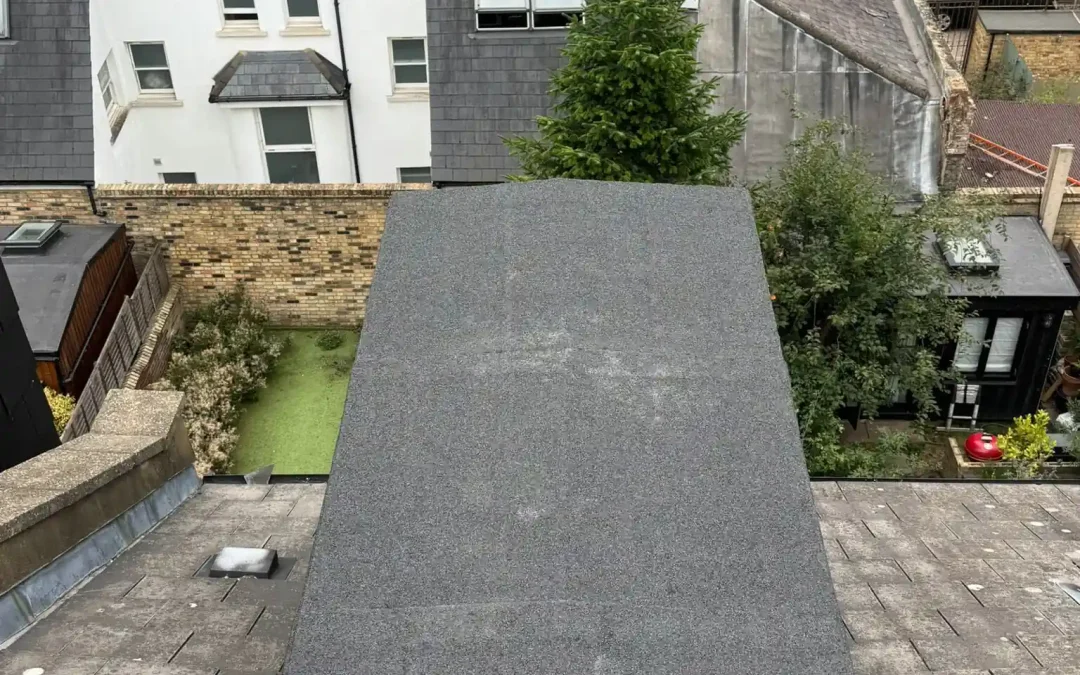
A well-installed flat roof provides dependable protection, efficient use of space and a practical solution for many residential and commercial properties. Property Restoration Service helps property owners maintain and improve their buildings through suitable restoration and repair solutions. Investing in professional Flat Roofing in Putney can help protect your property against rain, wind and moisture while supporting long-term performance and structural integrity.
Flat roofs are commonly found on extensions, garages, apartment buildings, commercial premises and modern property designs. Although they offer several practical benefits, their performance depends on suitable materials, correct installation and regular maintenance. Property Restoration Service can help property owners understand their roofing requirements and identify appropriate solutions for addressing leaks, surface deterioration and other common roofing concerns.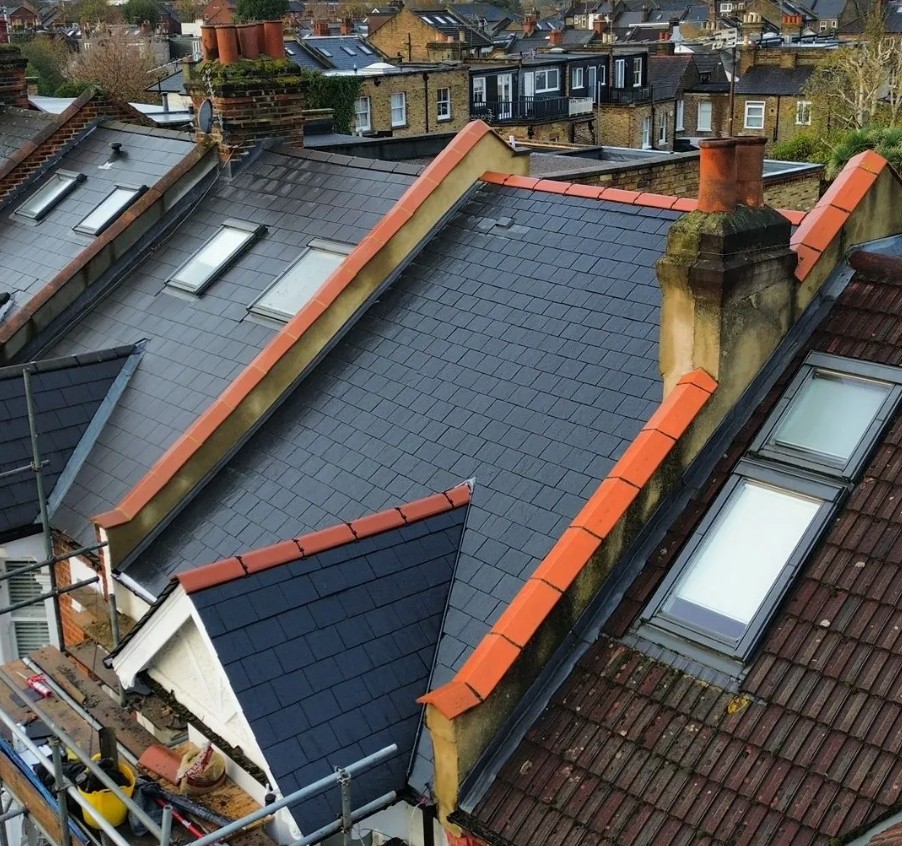
What Is Flat Roofing and Why Is It Popular?
Flat roofing is a roofing system with a very shallow slope designed to direct rainwater towards suitable drainage outlets. Despite the name, a flat roof should not be completely level, as adequate falls are essential for effective water drainage.
This roofing style is popular because it offers a clean, modern appearance and can be suitable for buildings where traditional pitched roofing may not be practical. Flat roofs can also accommodate certain installations, such as rooftop equipment, provided the structure and waterproofing system are appropriately designed for the intended use.
For property owners, Flat Roofing in Putney offers a practical option for new projects, extensions and existing buildings requiring roof replacement. The most suitable system depends on the property’s design, budget, insulation requirements and exposure to local weather conditions.
Common Flat Roofing Materials
Choosing the right material is an important part of achieving a durable, weather-resistant roof. Different systems offer distinct advantages, so the choice should reflect the building’s requirements and expected maintenance needs.
1. EPDM Rubber Roofing
EPDM is a synthetic rubber membrane widely used on flat and low-slope roofs. It offers flexibility, resistance to weathering and good durability when installed correctly.
Its flexible nature allows it to accommodate some building movement and temperature changes. However, seams, edges and penetrations still require careful installation and inspection to maintain a reliable waterproof barrier.
2. GRP Fibreglass Roofing
GRP, or glass-reinforced plastic, creates a seamless waterproof surface when correctly installed. It is often selected for its neat finish and resistance to water penetration.
A properly prepared roof deck and suitable installation conditions are essential for achieving a reliable result. Incorrect application can lead to defects, so professional installation is important.
3. Felt Roofing
Traditional felt roofing uses layers of bitumen-based roofing material to create a weather-resistant covering. Modern felt systems can provide a practical option for garages, sheds, extensions and other suitable buildings.
The lifespan of a felt roof depends on the product, installation quality, exposure and maintenance. Damaged seams, blistering and surface deterioration should be assessed before they allow moisture to penetrate the roof structure.
4. Liquid-Applied Roofing Systems
Liquid roofing products are applied to a prepared surface to create a continuous waterproofing layer. Depending on the product and existing roof condition, they can be useful for complex details, junctions and certain refurbishment projects.
The roof must be assessed carefully to determine whether the existing surface is suitable for treatment. Product compatibility, preparation and curing requirements all influence the finished result.
Common Flat Roofing Problems
Flat roofs can develop defects over time, particularly when drainage is inadequate or the waterproofing layer has deteriorated. Recognising early warning signs helps property owners arrange repairs before damage spreads.
Standing water: Persistent pooling may indicate inadequate falls, blocked outlets or drainage problems. Prolonged water accumulation can place additional demands on the roofing system and should be investigated.
Leaks and moisture penetration: Water stains on ceilings, damp patches and peeling paint may indicate a roof leak. The source can be difficult to identify because water may travel beneath the roof covering before becoming visible indoors.
Cracked or blistered membranes: Temperature changes, ageing materials and installation defects can contribute to cracks, blisters or weakened seams. A professional assessment can establish whether local repairs or broader remedial work are required.
Damaged roof edges and joints: Roof edges, wall junctions, outlets and penetrations are vulnerable areas. Defects in these locations can allow water to enter the building even when the main roof surface appears intact.
Insulation deterioration: Water entering the roof structure can affect insulation and reduce its effectiveness. Depending on the roof design, repairs may require replacing wet materials as well as restoring the waterproofing layer.
Benefits of Professional Flat Roofing Services
Professional assessment and installation help ensure that a roofing system is suitable for the property and its intended use.
Improved Weather Protection
A correctly installed waterproofing membrane helps prevent rainwater from entering the building. Properly detailed joints, edges and drainage outlets are essential for maintaining this protection.
Long-Term Durability
Selecting appropriate materials and following the manufacturer’s installation guidance can help extend a roof’s service life. Regular maintenance also makes it easier to identify developing problems before they require more extensive repairs.
Better Energy Efficiency
Where the roof design allows, suitable insulation can help reduce heat loss during colder months and support a more comfortable indoor environment. Insulation upgrades should account for ventilation, condensation risk and the existing building structure.
Practical Property Design
Flat roofs can suit extensions, garages and commercial buildings where a simple roof profile is desirable. Some designs may also support rooftop equipment or other installations, subject to structural capacity, waterproofing requirements and safe access arrangements.
How to Maintain a Flat Roof
Routine maintenance helps protect the roof and reduce the likelihood of unexpected leaks. The appropriate inspection schedule depends on the roofing material, building use and surrounding environment.
- Keep drainage outlets clear: Remove leaves and debris where it is safe to do so, allowing rainwater to flow away efficiently.
- Inspect after severe weather: Look for visible signs of damage, displaced components or new water stains inside the property.
- Check roof junctions: Edges, seams, outlets and areas around pipes or equipment should be inspected for signs of deterioration.
- Arrange professional inspections: A qualified roofing professional can identify defects that may not be visible from the ground.
- Address repairs promptly: Small defects can worsen if water repeatedly enters the roof structure.
- Avoid unsuitable coatings: Repairs and protective products should be compatible with the existing roofing membrane.
Never walk on a flat roof unless safe access and the roof’s load-bearing capacity have been confirmed. Some roofing systems can be damaged by foot traffic, and unprotected roof edges present serious fall hazards.
Choosing a Reliable Flat Roofing Contractor
Selecting an appropriate contractor is essential for achieving a durable result. Property owners should look for relevant roofing experience, suitable insurance, safe working practices and clear written quotations.
Ask the contractor to explain the proposed materials, preparation requirements, drainage arrangements and expected timescale. The quotation should outline the work included, any anticipated additional costs and applicable workmanship or product warranties.
It is also important to establish whether the roof needs a local repair, a new waterproofing layer or a complete replacement. A thorough inspection helps determine the most suitable approach instead of relying on assumptions based on visible damage alone.
For property owners considering Flat Roofing in Putney, the best solution is one that balances durability, weather resistance, maintenance requirements and overall cost. The roof’s condition and design should guide the final decision.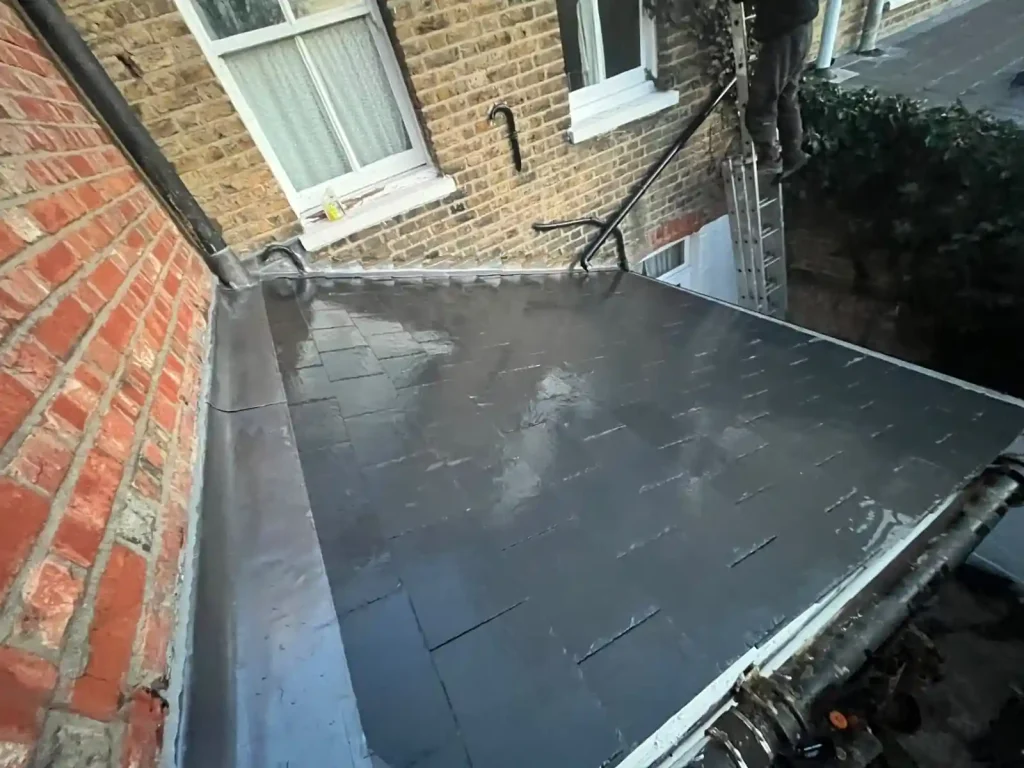
Frequently Asked Questions
How long does a flat roof last?
The lifespan varies according to the material, installation quality, weather exposure and maintenance. Different systems have different expected service lives, so the manufacturer’s guidance and the roof’s condition should inform maintenance and replacement decisions.
What causes leaks in flat roofs?
Common causes include damaged membranes, failed seams, deteriorated flashing, blocked drainage outlets and defects around roof penetrations. A professional inspection can help identify the source.
Can a flat roof be repaired instead of replaced?
Yes. If the damage is limited and the existing roof remains suitable, local repairs may be sufficient. Widespread deterioration, recurring leaks or damaged underlying materials may make more extensive work necessary.
How much does flat roofing in Putney cost?
Costs depend on the roof’s size, chosen materials, access requirements, insulation needs and whether the work involves repairs or a complete replacement. A site assessment and written quotation provide a more accurate estimate.
Conclusion
A durable flat roof helps protect your property, manage rainwater and maintain a comfortable indoor environment. Choosing suitable materials, ensuring effective drainage and arranging timely maintenance can reduce the risk of leaks and help extend the roofing system’s service life. Whether you are planning a new installation or addressing existing damage, Property Restoration Service can discuss your property restoration requirements and help you explore suitable roofing solutions for your building.
Contact Property Restoration Service
Phone: 020 3633 8101
Email: info@propertyrestorationservice.co.uk
Address: Unit 101, 295 Chiswick High Road, Chiswick, London W4 4HH.