
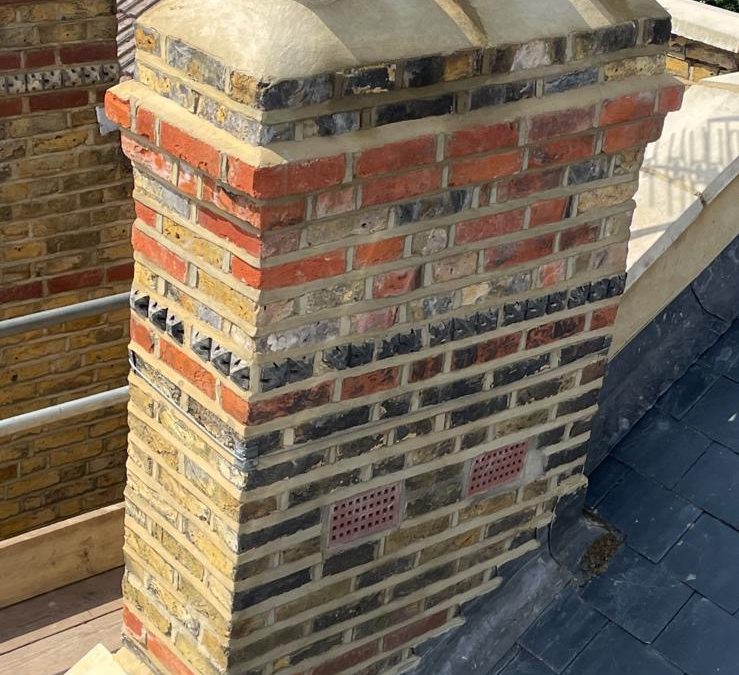
A well-maintained chimney plays an important role in protecting your property, supporting safe ventilation and preserving the structural integrity of your roof. Property Restoration Service helps property owners address building maintenance and restoration concerns, including chimney deterioration that can develop through age and exposure to the British weather. Arranging professional Chimney Repairs in Chiswick can help prevent further damage, improve stability and maintain your property’s long-term condition.
Chimneys are constantly exposed to rain, wind, temperature changes and seasonal weather conditions. Over time, these elements can weaken mortar joints, damage brickwork and cause problems with chimney pots or flashing. Property Restoration Service can help property owners understand the importance of identifying these issues early and choosing appropriate repair solutions before minor defects develop into more serious structural concerns.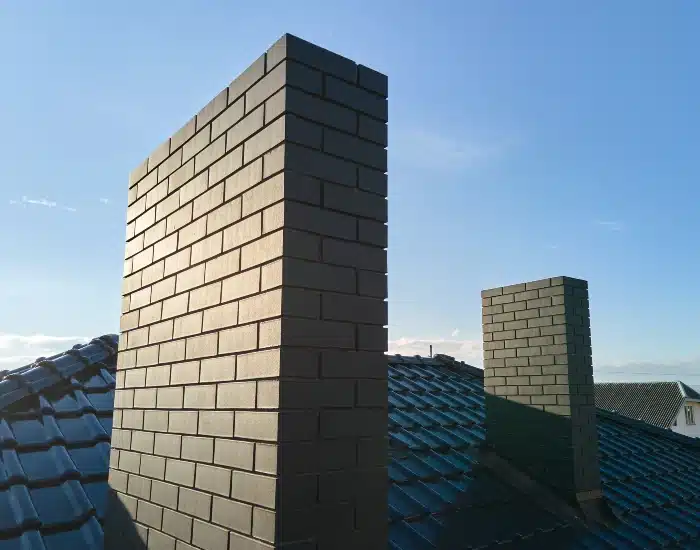
Why Are Chimney Repairs Important?
Chimneys are often overlooked during routine property maintenance, particularly when damage is not immediately visible from the ground. However, a deteriorating chimney can allow moisture to enter the building, weaken masonry and contribute to damage around the roofline.
Timely Chimney Repairs in Chiswick help address these problems before they become more expensive to resolve. Cracked mortar, loose bricks and damaged flashing can allow water to penetrate vulnerable areas, potentially resulting in damp patches, internal staining and deterioration of surrounding materials.
Structural damage can also create safety concerns if masonry, chimney pots or other components become unstable. Regular inspections and appropriate repairs help maintain the chimney’s condition while protecting the people and property below.
For properties with working fireplaces or heating appliances, chimney maintenance is particularly important. Structural repairs should be accompanied by appropriate checks of the flue and ventilation system where necessary. Masonry repairs alone do not establish that a chimney is safe to use.
Common Chimney Problems in Chiswick
Understanding common chimney defects can help property owners recognise when professional attention may be needed.
1. Cracked or Deteriorating Mortar
Mortar holds the bricks or masonry units together. Prolonged exposure to rain, frost and temperature fluctuations can cause mortar joints to crack, crumble or become recessed. Damaged joints allow water to enter the masonry and may gradually reduce the chimney’s stability.
Repointing involves removing deteriorated mortar to an appropriate depth and replacing it with a compatible material. Correct workmanship helps restore the joints while allowing the masonry to perform as intended.
2. Damaged or Loose Bricks
Bricks can crack, loosen or deteriorate because of moisture penetration, frost damage and general ageing. Damaged masonry may affect the chimney’s strength and allow additional water ingress.
Depending on the condition of the structure, repairs may involve replacing individual bricks, rebuilding a damaged section or undertaking more extensive masonry work.
3. Faulty Chimney Flashing
Flashing creates a weatherproof junction between the chimney and the roof covering. If it becomes loose, cracked or corroded, rainwater can enter the roof space and damage ceilings, insulation and timber.
Inspecting and repairing the flashing helps maintain a watertight connection between the chimney and roof. It is also important to establish whether water is entering through the flashing or another nearby defect.
4. Damaged Chimney Pots and Cowls
Chimney pots and cowls can become loose or damaged through weather exposure and ageing. A poorly secured component may present a falling-object risk, while an unsuitable or blocked cowl can interfere with ventilation.
Repairs or replacements should be selected according to the chimney’s design and intended use. Any loose component at height should be assessed by a qualified professional.
5. Water Penetration and Dampness
Moisture can enter through damaged masonry, defective flashing, cracked chimney crowns or inadequate weather protection. Over time, this may cause staining, crumbling plaster and deterioration of internal finishes.
Identifying the actual source of moisture is essential. Treating internal stains without addressing the external defect may allow the problem to return.
What Does Professional Chimney Repair Involve?
Effective repairs begin with a careful assessment of the chimney’s condition. The appropriate approach depends on the construction, the extent of deterioration and whether the chimney remains in use.
Initial inspection: The visible masonry, mortar joints, chimney pot, flashing and surrounding roof area are assessed where access permits. Specialist access equipment may be required to inspect elevated sections safely.
Diagnosis of defects: The cause of the damage is identified where possible. For example, deteriorating mortar may require repointing, while extensive cracking or movement may indicate a need for more substantial structural assessment.
Selection of materials: Repair materials should be compatible with the existing brickwork and mortar. Using unsuitable materials can affect moisture movement and contribute to further deterioration.
Carrying out the repairs: Depending on the findings, work may include repointing, replacing damaged bricks, repairing flashing, securing chimney pots or rebuilding unstable sections.
Final checks: Completed work should be checked for quality and appropriate weather protection. If the chimney serves a fireplace or heating appliance, any required flue or appliance safety checks should be arranged separately with a suitably qualified professional.
A clear assessment helps property owners understand which repairs are necessary and whether additional work should be considered.
Choosing a Reliable Chimney Repair Service
Selecting the right contractor is important for achieving durable results. Chimney work often involves working at height and dealing with structural components, so experience, safe working practices and appropriate insurance should be considered.
Before agreeing to the work, ask for a written quotation explaining the recommended repairs, materials, access arrangements and expected timescale. It is also sensible to clarify whether the quotation includes the removal of damaged materials, waste disposal and any necessary scaffolding.
A trustworthy professional should explain the difference between routine maintenance and more serious structural problems. They should also identify when a specialist structural assessment or separate chimney safety inspection is required.
Property owners should avoid relying solely on a low initial price. Appropriate materials, safe access and correct repair methods all contribute to the long-term performance of the chimney.
How to Maintain Your Chimney
Regular maintenance can help reduce the likelihood of unexpected damage and identify defects before they become more extensive.
- Arrange periodic inspections: Check the chimney for visible deterioration and consider professional inspections based on its age, condition and exposure.
- Monitor mortar joints: Look for crumbling mortar, cracks and gaps between bricks.
- Check roof junctions: Watch for signs of damaged flashing, water stains or dampness near the chimney.
- Address vegetation growth: Remove unsuitable plant growth through safe, appropriate methods, as roots can worsen masonry defects.
- Arrange appropriate flue maintenance: If the chimney is in use, ensure that sweeping and safety inspections are carried out at suitable intervals by competent professionals.
- Act promptly after severe weather: If you notice loose masonry, displaced chimney pots or falling debris, keep people away from the affected area and arrange a professional assessment.
Never attempt to climb onto a roof or remove loose chimney components yourself. Chimney inspections and repairs require suitable access equipment and appropriate safety precautions.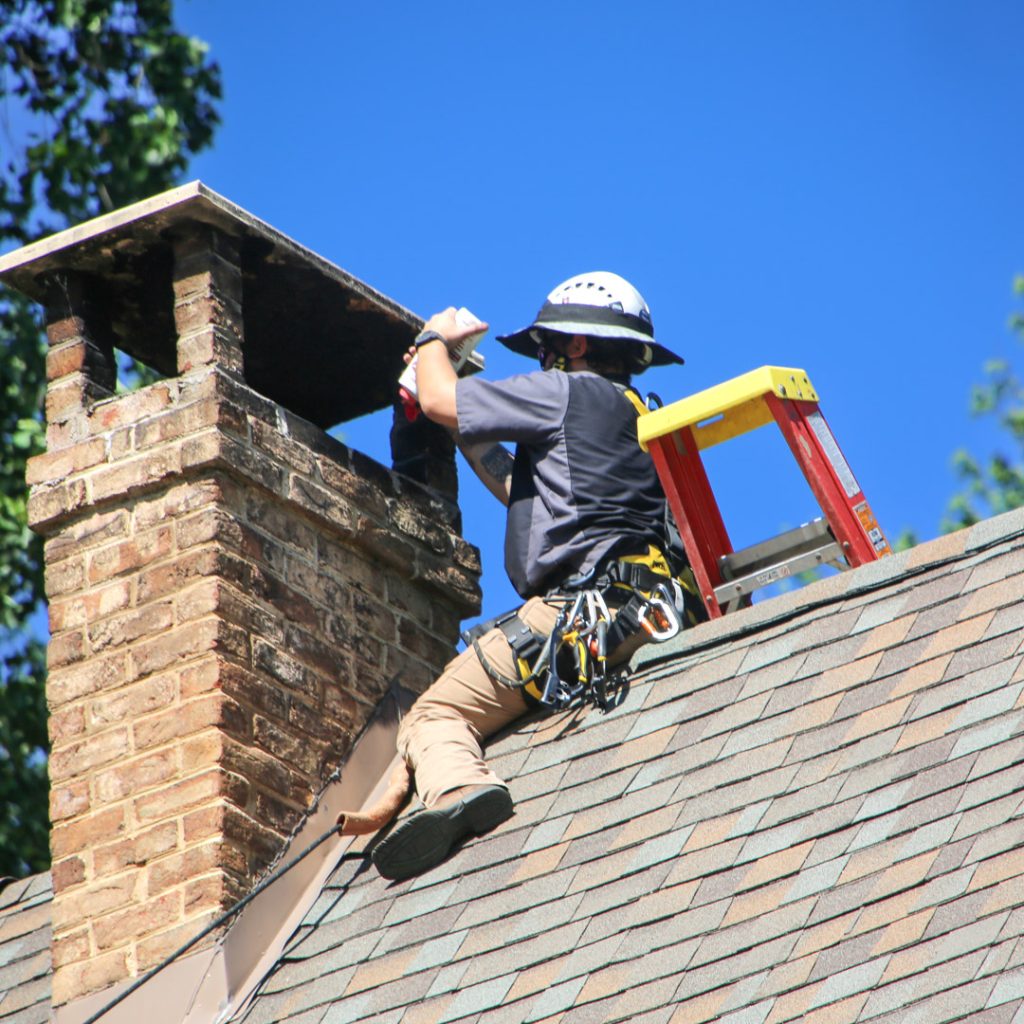
Frequently Asked Questions
How do I know if my chimney needs repairs?
Warning signs include cracked brickwork, crumbling mortar, loose chimney pots, damaged flashing and damp patches near the chimney. Visible movement or falling masonry requires prompt professional attention.
How much do chimney repairs in Chiswick cost?
The cost depends on the type of damage, chimney height, access requirements, materials and extent of the work. A professional inspection and written quotation can help establish the likely cost.
Can damaged chimney mortar be repaired without rebuilding the chimney?
Yes. If the damage is limited to the mortar joints and the masonry remains structurally sound, repointing may be sufficient. More extensive deterioration may require brick replacement or partial rebuilding.
How often should a chimney be inspected?
Inspection frequency depends on the chimney’s condition, age, construction and use. Older or visibly deteriorating chimneys may require more frequent attention, while working chimneys also need appropriate flue maintenance and safety checks.
Conclusion
Maintaining a stable, weather-resistant chimney is essential for protecting your property from moisture penetration, masonry deterioration and potential safety hazards. From repointing worn mortar to repairing flashing and replacing damaged bricks, addressing defects promptly can help preserve your building’s condition and reduce the risk of more extensive restoration work. If you have noticed signs of chimney damage or require advice about suitable repairs, contact Property Restoration Service to discuss your property maintenance requirements and help protect your home for the long term.
Contact Property Restoration Service
Phone: 020 3633 8101
Email: info@propertyrestorationservice.co.uk
Address: Unit 101, 295 Chiswick High Road, Chiswick, London W4 4HH.