Frequently Asked Questions About Roofing in Pimlico
The questions below cover what Pimlico customers ask us most often.
How quickly can you attend a roofing job in Pimlico?
We aim to carry out an on site assessment within two working days for standard roofing work across Pimlico, covering both SW1V and SW1P. For storm damage or an active leak we offer emergency callout and try to attend the same day. Response time can vary slightly during periods of severe weather when demand rises across London, but Pimlico is a core part of our regular coverage area rather than an add on postcode we visit occasionally. We are based on Chiswick High Road and travel across West and Southwest London daily, so a Pimlico job is scheduled alongside jobs in Belgravia, Knightsbridge and Victoria rather than treated separately. If you call with an urgent leak we will tell you honestly whether same day attendance is realistic before you wait in for an engineer who cannot get to you until the next working day.
What areas of Pimlico and SW1 do you cover?
We cover every street in Pimlico across both the SW1V and SW1P postcodes, from the garden squares around Warwick Square and Eccleston Square to the terraces along St George's Square nearest the river, and the postwar blocks at Churchill Gardens. We also cover the immediately surrounding SW1 area including Belgravia, Knightsbridge and Victoria, and the wider West and Southwest London area from our base on Chiswick High Road. There is no part of Pimlico we treat as out of area or subject to a higher call out charge, the same response time and quoting process applies whether the job is on a garden square terrace or a side street off Lupus Street or Tachbrook Street. If you are unsure whether your address falls in our coverage area, call us and we will confirm before booking an assessment.
How does your quoting process work?
We carry out a free, no obligation inspection of the roof before providing a quote. All quotes are provided following an initial assessment of the work required, we do not quote over the phone or from photographs alone without seeing the roof first, since Pimlico's parapet and valley gutters often hide the real extent of a problem. Once you accept the quote we schedule the work and confirm a date, and there is no call out charge for the initial inspection visit anywhere within SW1V or SW1P. If the job needs sign off from a freeholder or managing agent, which is common for the mansion flats around the garden squares, we can provide a written scope of works to support that approval process before work is booked in. The written scope sets out the materials, the extent of the work and the access method, so a lease clause requiring prior approval can be satisfied without delaying the job once approval is granted.
What happens during a typical roofing job in Pimlico?
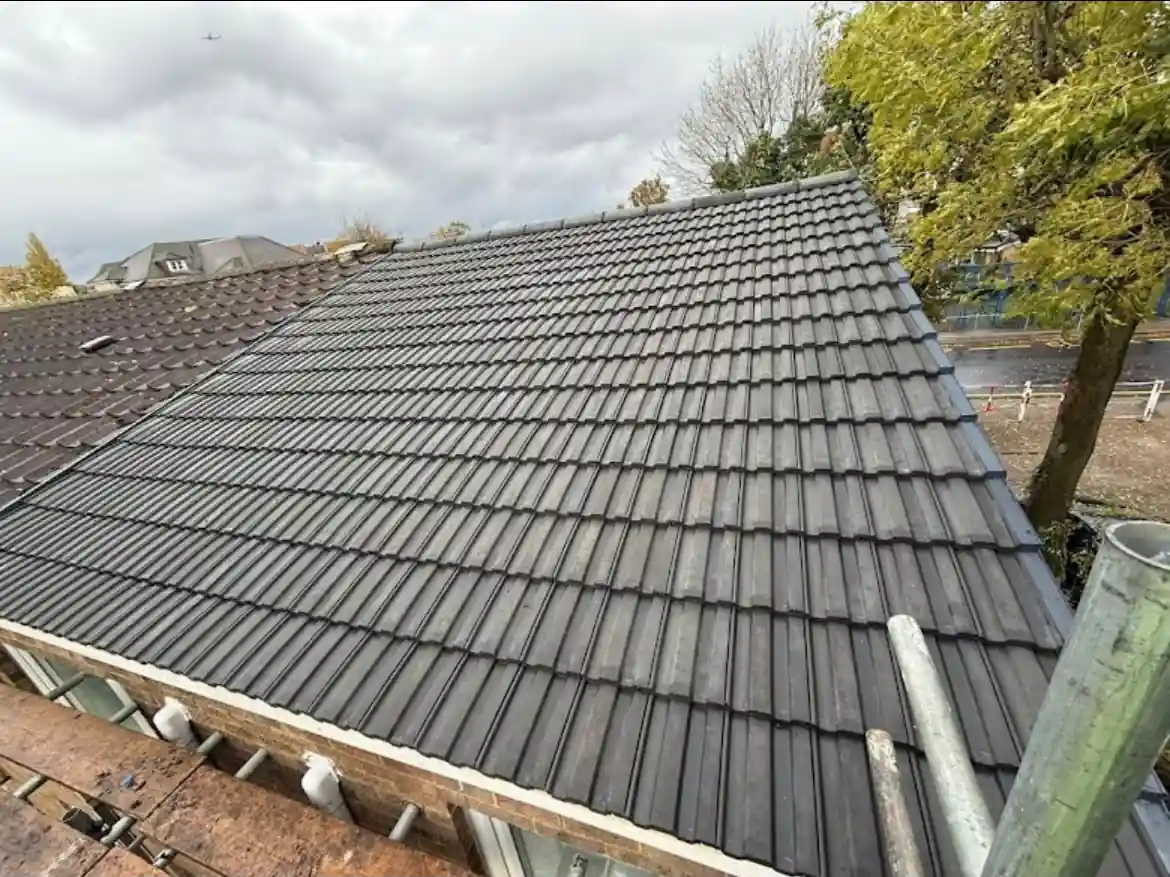
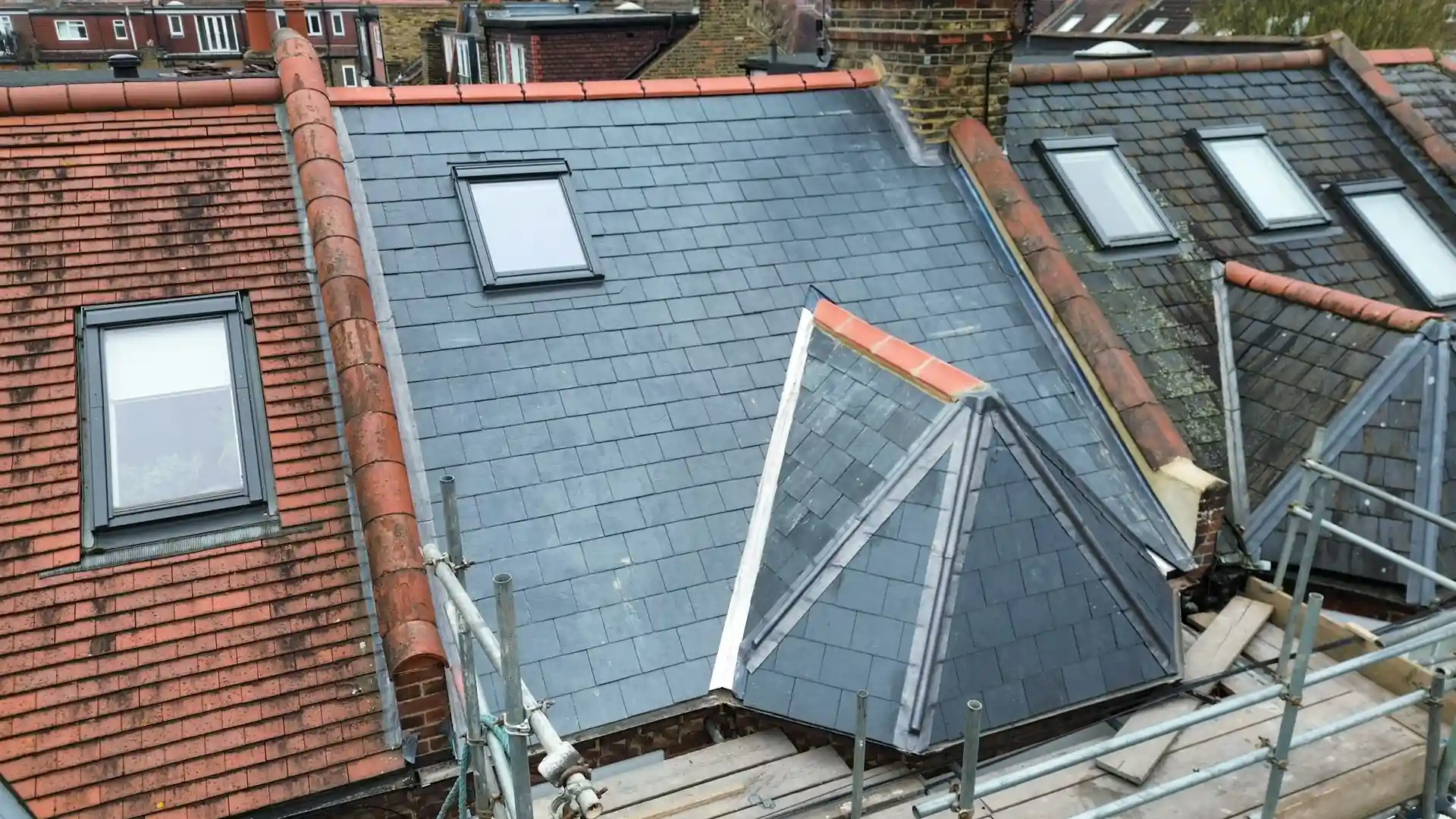
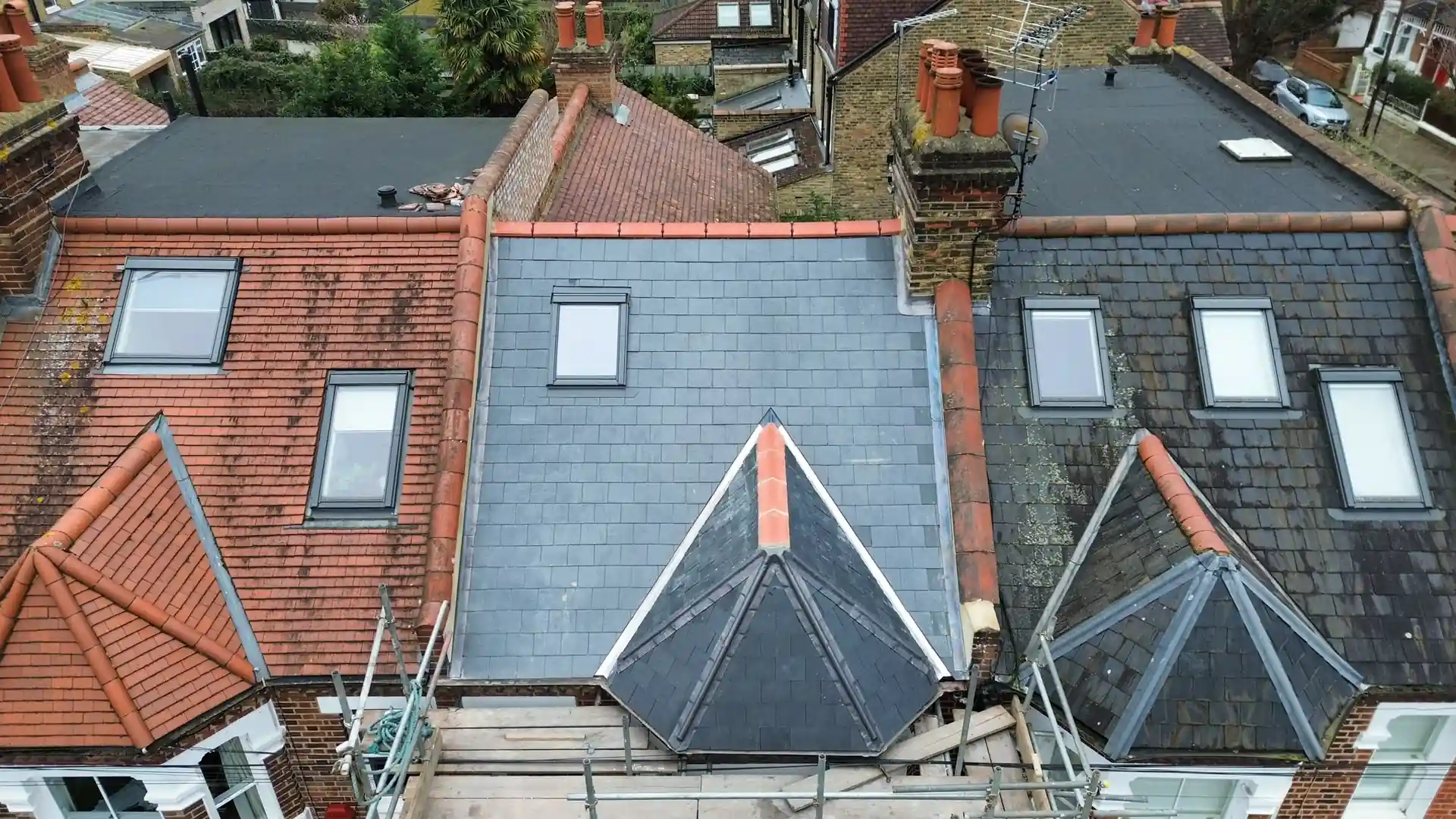
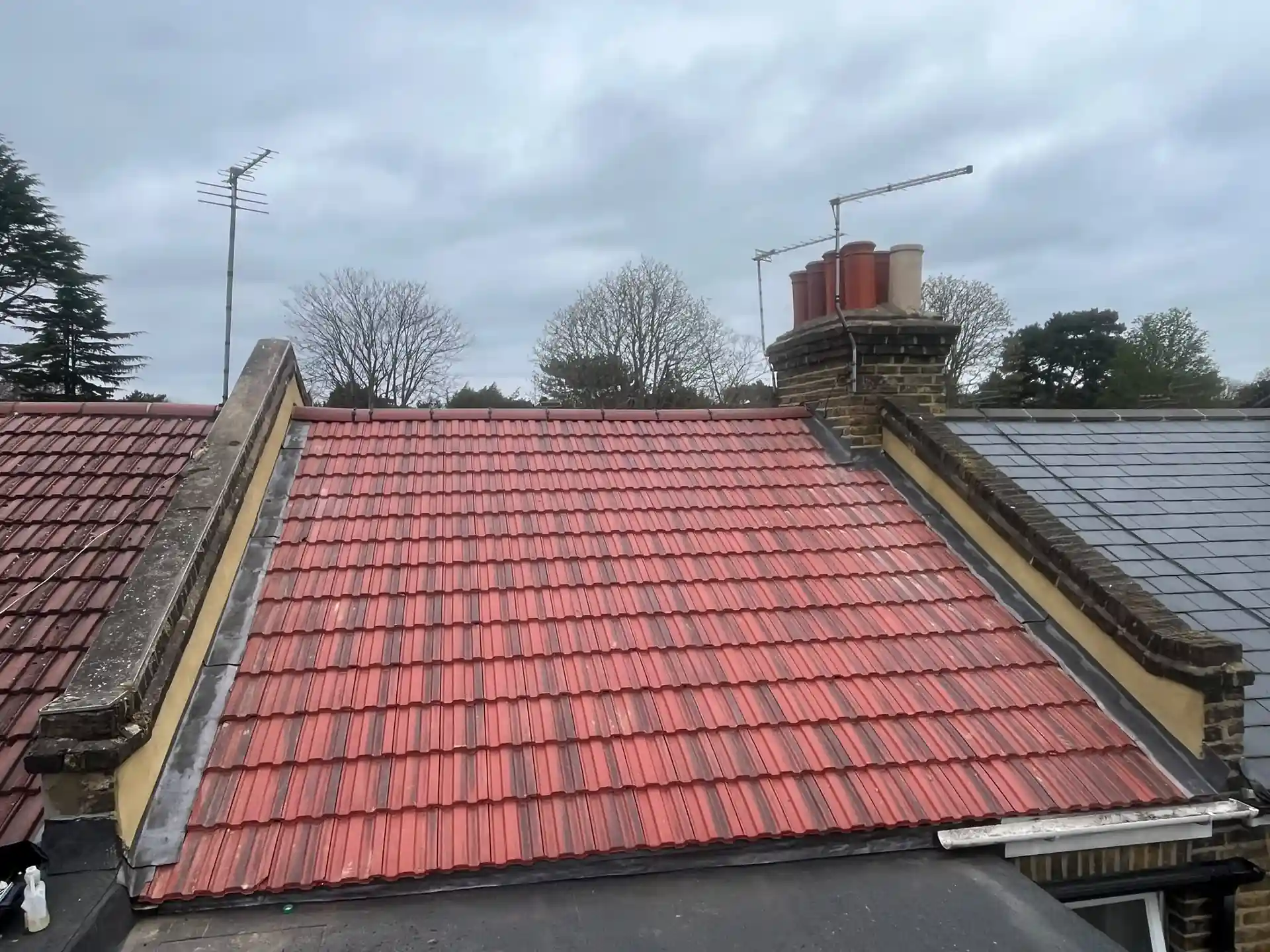
A typical Pimlico roofing job starts with a call or contact form message describing the problem and your postcode, followed by an on site inspection and a written quote. Once you accept the quote we agree a date and our engineer carries out the agreed work, matching slate, tile or lead flashing to the existing roof where required so the roofline is not visibly altered, which matters on Conservation Area properties. Access on Pimlico's terraces is arranged in advance, particularly where scaffolding or a tower is needed on a garden square frontage with restricted parking. After the work is finished you receive a written summary of what was done, along with any maintenance advice, so there is a clear record if the same roof needs attention again or if a managing agent asks for evidence of the work.
Why do Pimlico's stucco terraces develop roof leaks?
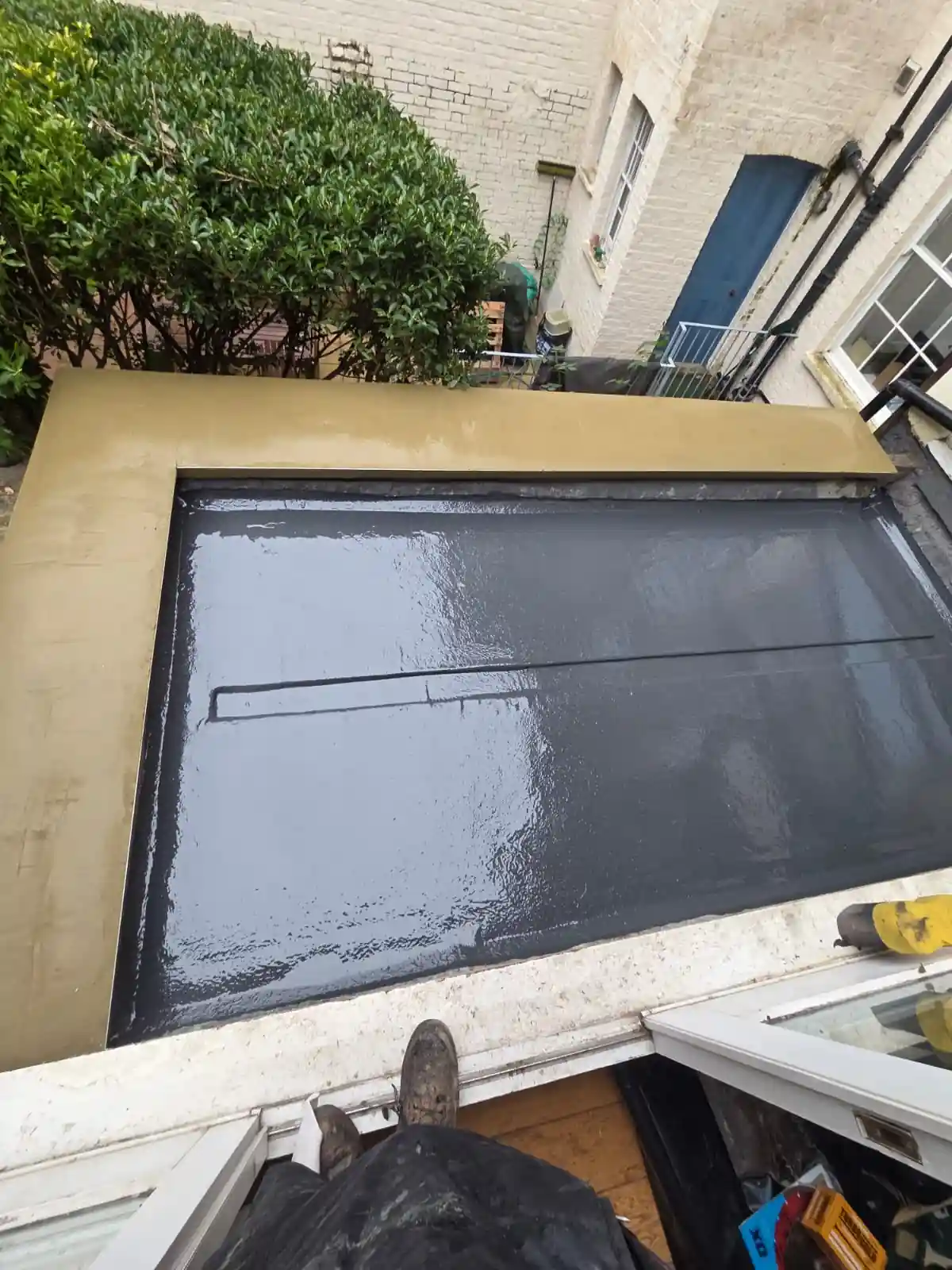
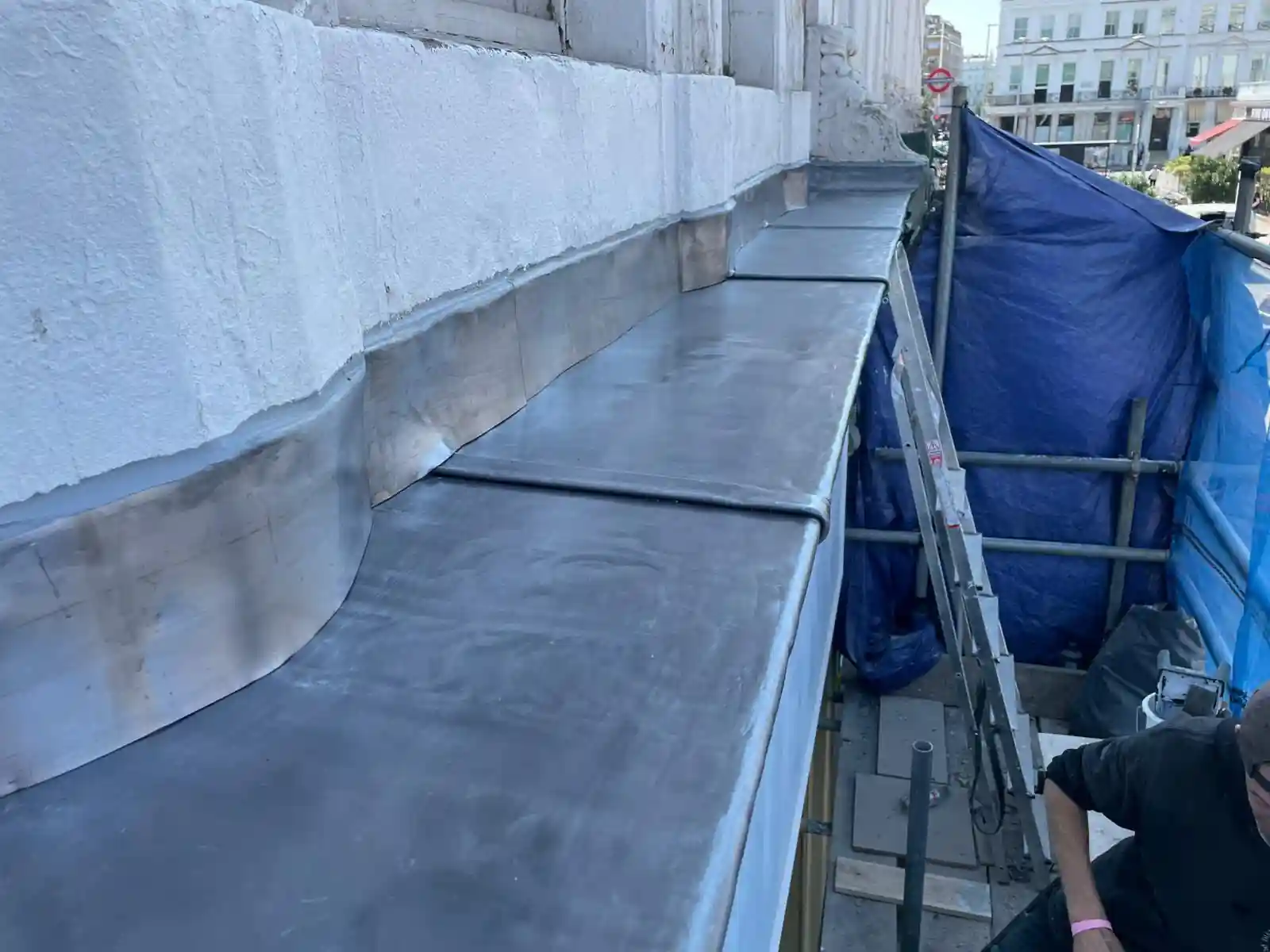
Pimlico's stucco terraces were built by Thomas Cubitt in the 1820s to 1850s on land raised using spoil from the St Katharine Docks excavation, and roofed in slate behind a continuous stucco parapet running the length of each block. That parapet conceals a valley or box gutter shared between neighbouring properties, and decades of thermal movement, debris and ageing lead mean these hidden gutters are the most common source of leaks rather than the visible slate itself. Postwar buildings such as Churchill Gardens add a second roof type to the area, with flat roof sections that fail differently, usually through worn membrane rather than slipped slate. Both problems are made worse by Pimlico's exposure to weather coming off the Thames near St George's Square and Pimlico Gardens, which increases wind driven rain against the river facing terraces.
Which Pimlico streets do you see the most roofing work on?
We regularly work on the terraces around Warwick Square, Eccleston Square and St George's Square, along with the shopping streets of Lupus Street and Tachbrook Street where ground floor commercial units sit beneath residential stucco terraces. We also see recurring work on the postwar Churchill Gardens estate, where flat roof sections need different maintenance to the Regency terraces nearby, and on Pimlico Road where antiques dealers and design showrooms occupy period terraces close to the Chelsea and Belgravia boundary. The shared parapet gutter design used across most of Cubitt's original grid means leaks often appear as a single damp patch inside one flat, even when the fault is further along the shared gutter run above a neighbouring property rather than directly overhead. We check the full run before confirming a repair rather than assuming the nearest section is the only cause.
Do you offer a roof survey before a purchase or lease renewal?
Yes. We carry out roof condition inspections for homeowners, buyers and managing agents who need a clear picture of a roof's condition before completing a purchase or renewing a lease in Pimlico. The inspection covers slate or tile condition, lead flashing, parapet and valley gutters, and any visible signs of water ingress, with a written report provided afterward that you can pass to a solicitor or managing agent. This is a common request for the mansion flats around Pimlico's garden squares, where a share of the freehold means several leaseholders need confirmation of the roof's condition before agreeing to a repair bill, and for buyers of period terraces who want to know what they are taking on before exchange. We can usually schedule this type of inspection within a few working days once instructed.
Who is responsible for a shared parapet gutter, me or my neighbour?
This depends on the freehold and lease arrangements for the specific building, and can vary street by street across Pimlico. Many of the shared parapet and valley gutters on the garden square terraces are a joint responsibility between neighbouring freeholders or covered under a management company's remit, and blocks such as Churchill Gardens and the larger mansion buildings usually have a managing agent responsible for the main roof. We can identify where the fault lies and how far it extends during our inspection, but we recommend checking your lease or speaking to your managing agent to confirm liability before work on a shared section proceeds, particularly where responsibility will be split between several leaseholders. Our written report can support that conversation with a clear, specific description of exactly where the fault sits and how far it runs.
Why does the same roof leak keep coming back?
A recurring leak usually means the original repair only addressed the visible symptom rather than the underlying cause, commonly a blocked section of parapet or valley gutter further along the run, or a second failure point in the lead flashing that was not inspected the first time. On Pimlico's terraces this is made worse where a gutter is shared between two or more properties, since a partial repair on one section can leave the real blockage untouched further along. We check the full length of any shared gutter and the surrounding flashing during a repair, rather than only patching the exact spot where water was seen coming through inside the property, which is why our repairs are less likely to reappear within the following season, even where the original fault was hard to trace.
Can roof repairs be carried out without scaffolding?
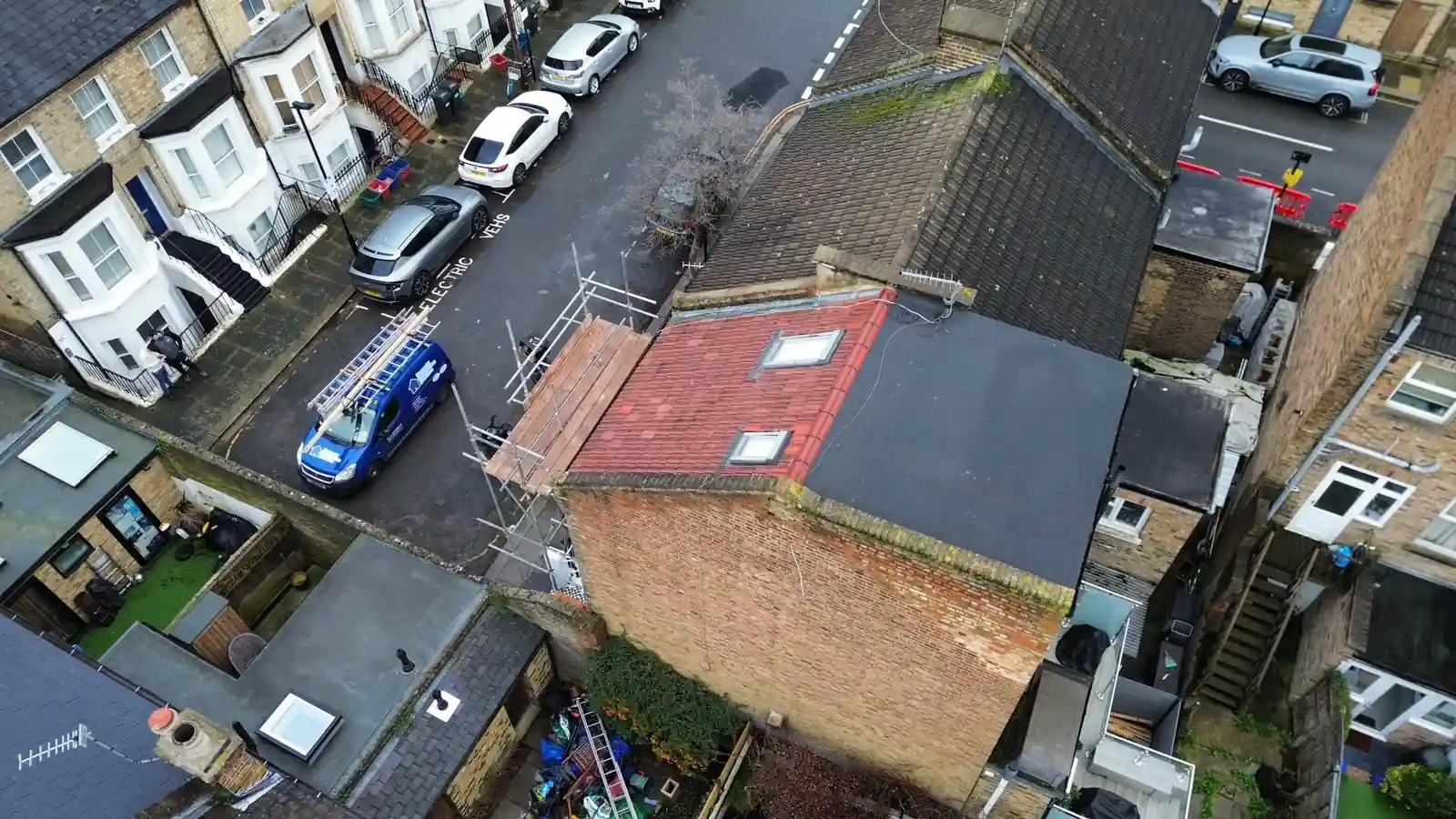
Many repairs on Pimlico's terraces can be carried out using a tower or ladder access rather than full scaffolding, particularly for isolated slate or tile replacement, flashing repair or gutter clearance. Larger jobs, such as full parapet gutter renewal or extensive slate work across a whole roof slope, may need scaffolding for safe access, especially on the taller terraces around the garden squares. We confirm the access method needed during the inspection so you know what to expect and can plan around it, including any parking suspension that scaffolding on a garden square street might require, before work is scheduled and before a quote is finalised. Where a tower is used instead of scaffolding, work is usually completed faster and with less disruption to the street, to parking and to neighbouring residents on a busy garden square.