Frequently Asked Questions About Roofing in Norbury
The questions below cover what Norbury customers ask us most often.
How quickly can you attend a roofing job in Norbury?
We aim to carry out an on site assessment within two working days for standard roofing repairs across Norbury and the rest of SW16, from Craignish Avenue and Norbury Avenue through to the streets around Norbury Park. For storm damage or an active leak, we offer emergency callout and try to attend the same day, since a lifted hip tile or split valley lining can let water into the loft quickly. Response time can shift slightly during periods of severe weather, when demand across South London rises for every roofer covering the area, not just us. Norbury is a core part of our coverage area from our Chiswick base, not a lower priority stop added on to a longer round, and the same engineers who work in Streatham and Tooting also cover Norbury on a regular basis throughout the working week.
What areas of SW16 do you cover?
We cover every postcode within SW16, including Norbury, Pollards Hill and the roads around Norbury Park and Norbury station. We also cover the neighbouring SW postcodes bordering Norbury, including Streatham, Tooting and Colliers Wood, so a team is often already working nearby when a new enquiry comes in. Coverage includes the interwar semi detached and terraced streets that make up most of Norbury, as well as the flats above the shops along London Road, where roofing needs differ from the surrounding residential rows. Coverage also extends to the smaller number of detached and larger corner properties found at the edges of the main estate, which sometimes have a different roof pitch to the standard semi detached pattern. If you are unsure whether your street falls inside our stated coverage area, call us directly on 020 3633 8101 and we can confirm before booking an inspection, rather than you guessing from a postcode boundary that does not always match how residents describe their own street.
How does your quoting process work?
We carry out a free, no obligation inspection of the roof before providing a quote. All quotes are provided following an initial assessment of the work required, we do not quote over the phone without seeing the roof first, since hip and valley repairs on Norbury's interwar roofs vary a lot depending on how much of the original tile and lead work has already been altered by a previous repair. Once you accept the quote we schedule the work and confirm a date directly with you. There is no call out charge for the initial inspection visit anywhere within our SW16 coverage area, and you are under no obligation to proceed once you have seen the figures, whether the job is a single tile replacement or a full valley gutter renewal between two adjoining semis.
What happens during a roof repair visit?
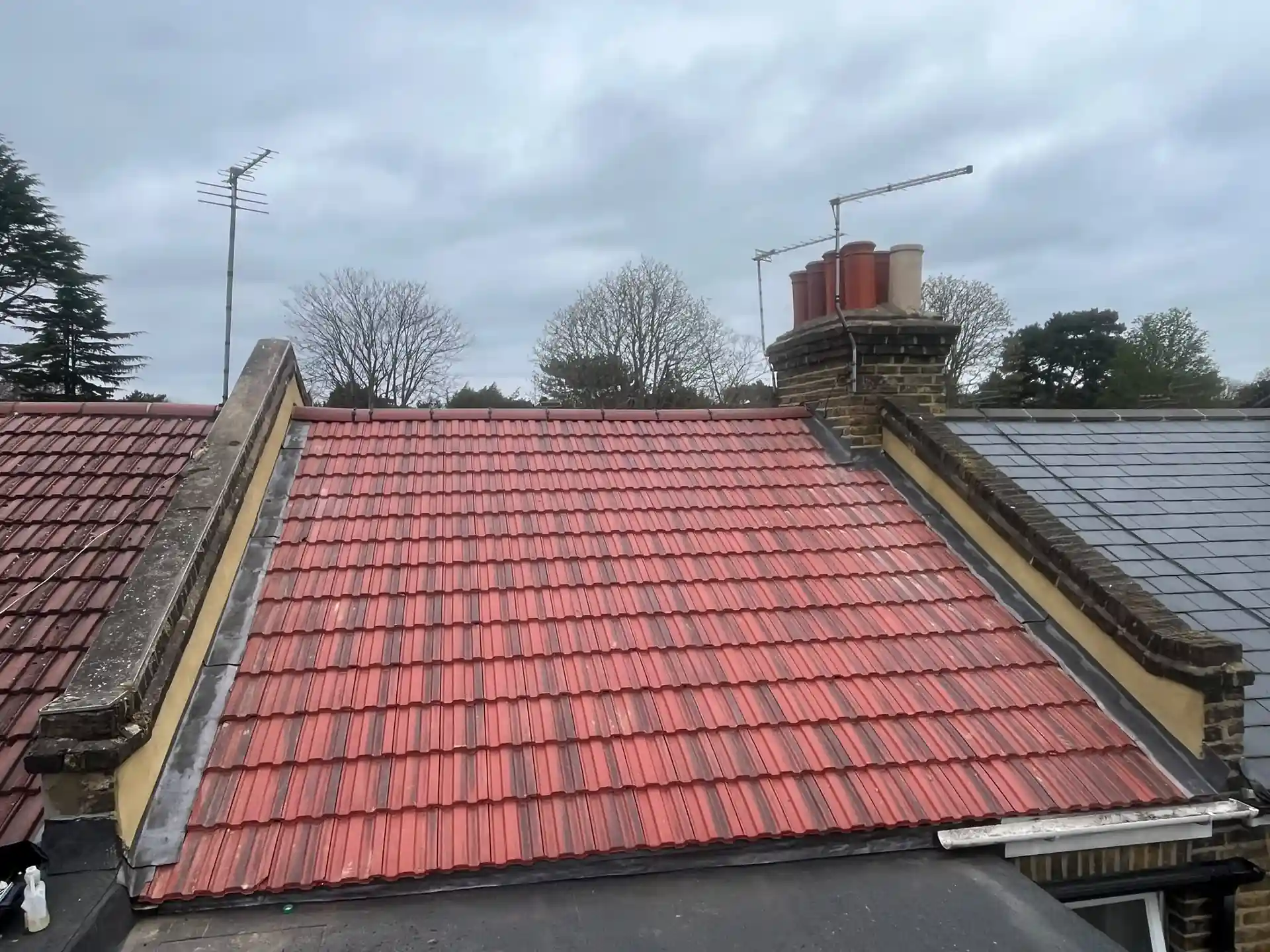
Once a quote is accepted, we schedule a date and confirm access requirements in advance, including whether a shared valley gutter means we need to speak to next door as well. Our roofer arrives with materials matched to your existing tile colour and profile, carries out the agreed repair, and clears any debris from the roof and gutters as part of the same visit. For hip and ridge work we check the full run of tiles either side of the repair, not just the damaged section, since a single loose tile is often a sign that others nearby are due for attention. Where access allows, we also check the chimney flashing and any bay window roof section while we are up there, since these are common secondary leak points on Norbury's semis that are easy to miss if only the reported fault is inspected. You receive a written summary of what was found and what was done, along with any maintenance advice, before we leave the property.
What causes roof problems on Norbury's interwar semis?
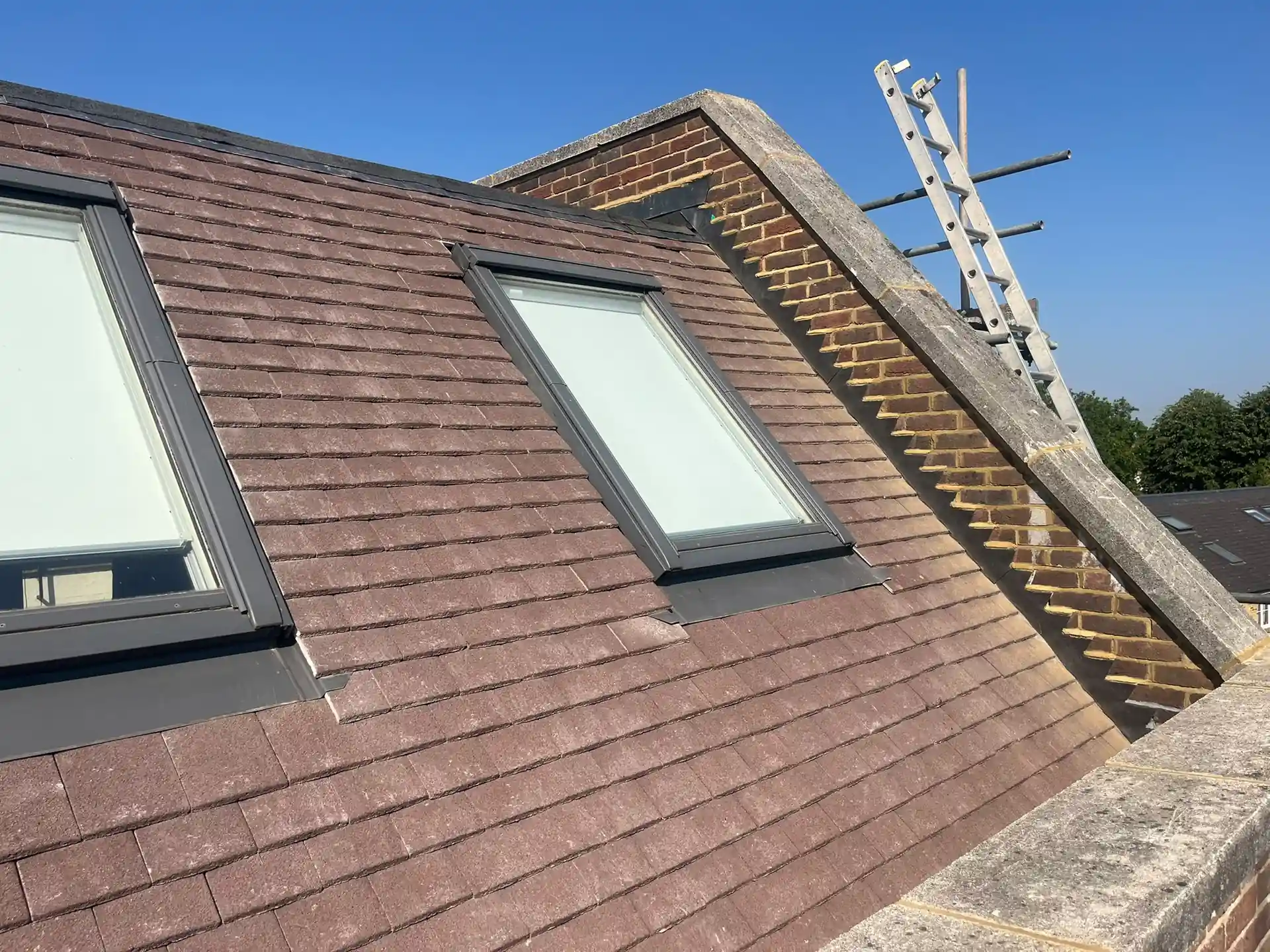
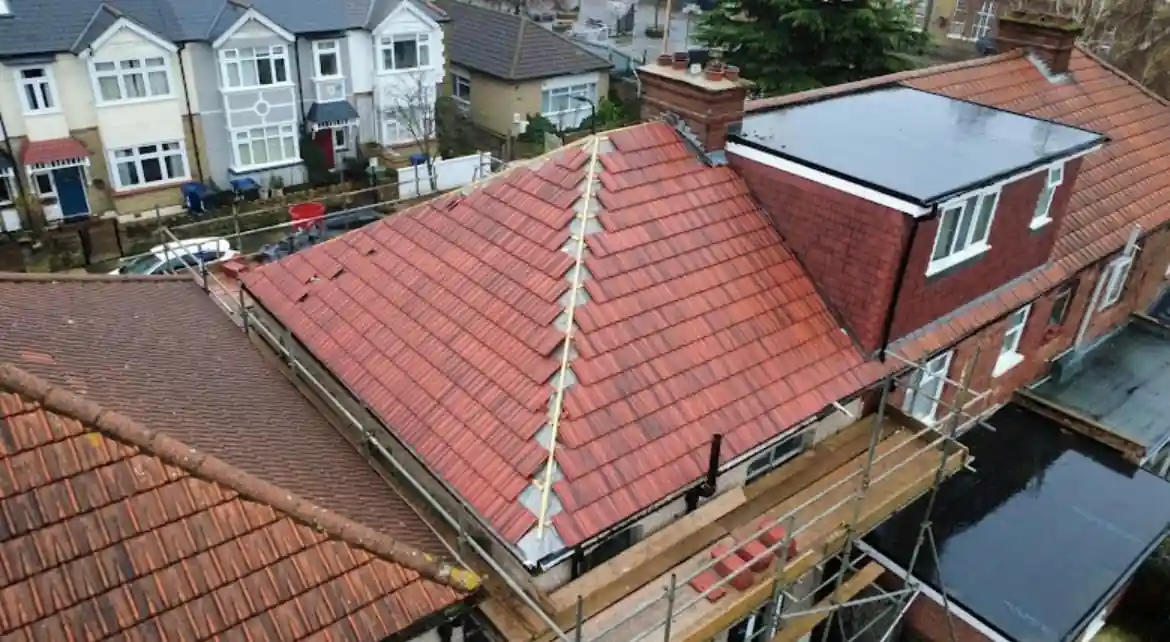
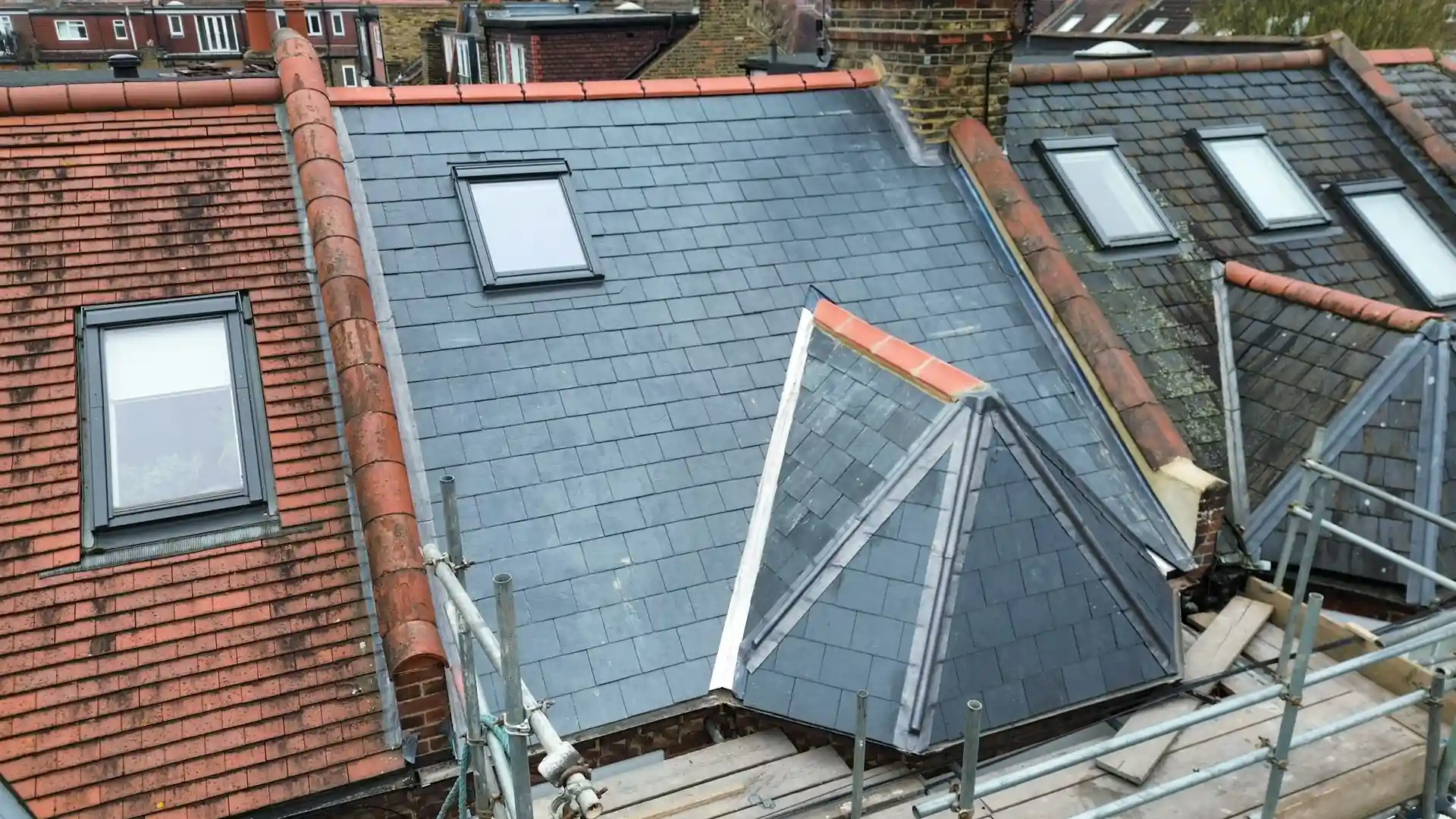
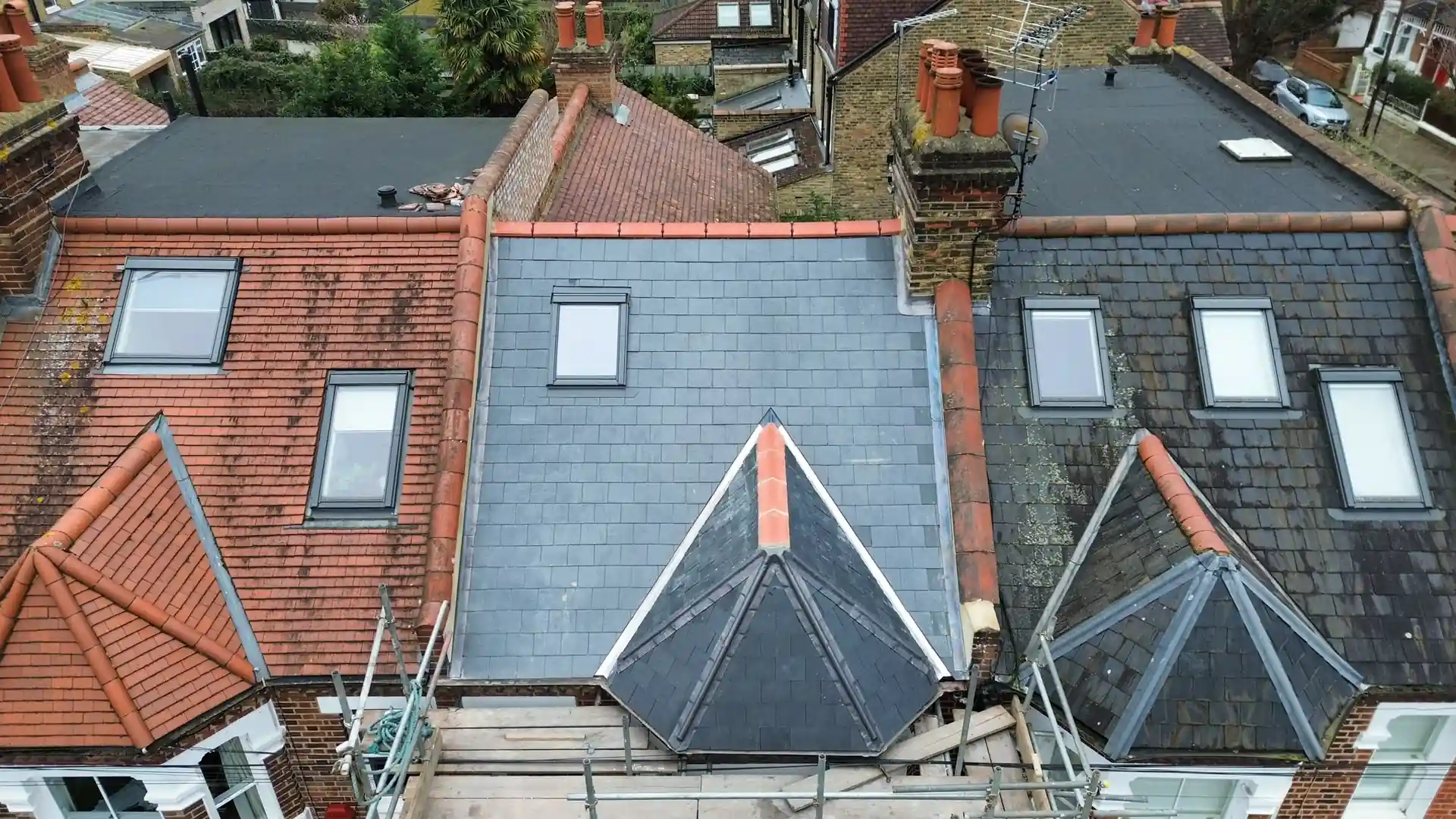
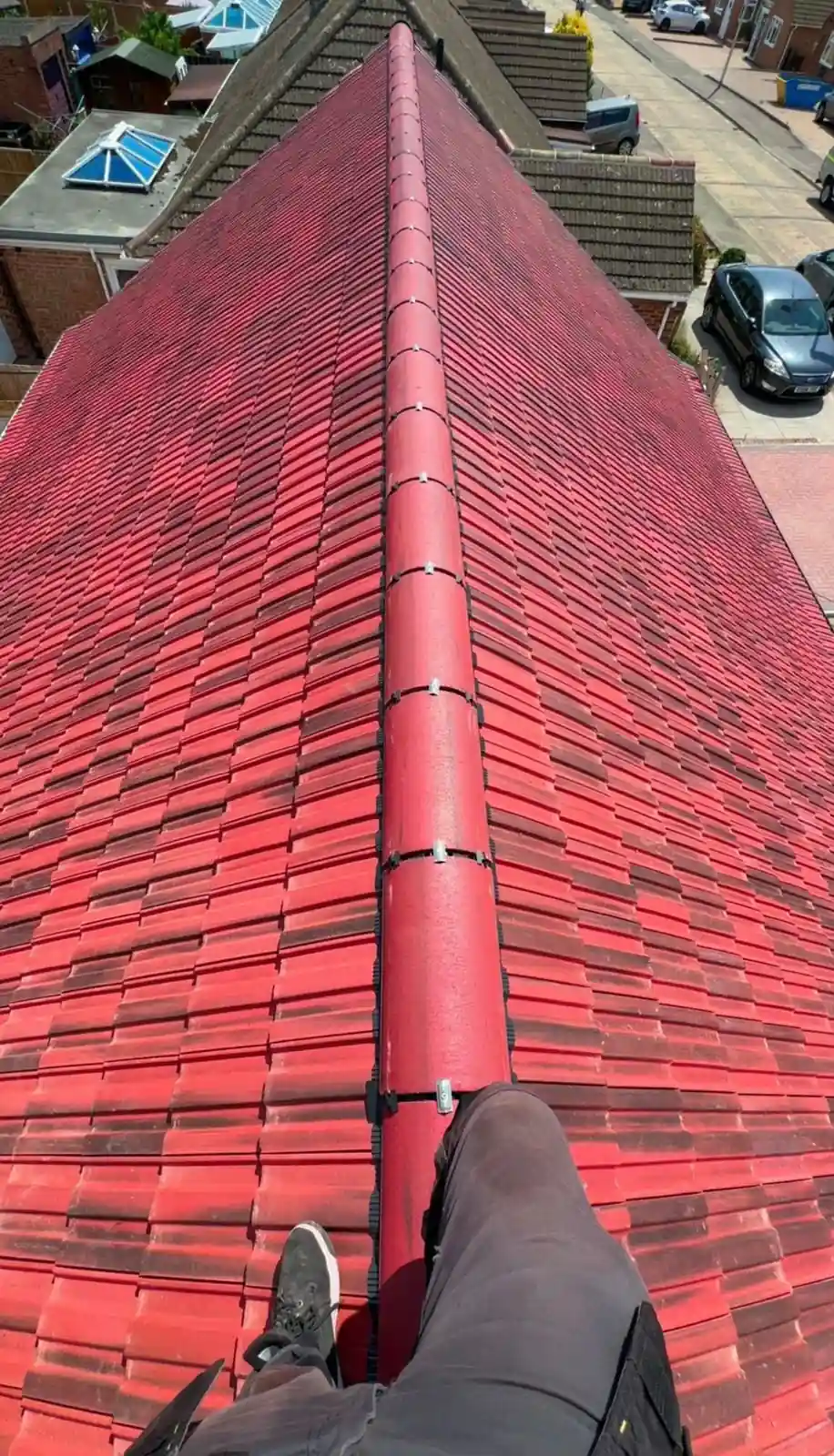
Norbury's roofs are almost all hipped, built during the 1920s and 1930s rather than the gabled Victorian terrace pattern found closer to central London. A hipped roof has four sloping sides meeting at hip and ridge tiles, and semi detached pairs like those on Craignish Avenue often share a valley gutter where the two roofs meet at the party wall. Decades of weather movement loosen hip tiles and split valley linings, and pebbledash render around the low roof edge can trap moisture that eventually reaches the timber underneath. Because so much of Norbury was built within a short window in the 1920s and 1930s, many roofs are reaching a similar age at the same time, which is why hip tile and valley gutter repairs are currently some of the most common calls we receive from the area.
Which Norbury streets do you see the most roofing work on?
We regularly work on the interwar semis and terraces around Craignish Avenue, Norbury Avenue and the roads near Norbury Park and Norbury station, along with the flats above the shops on London Road. The shared valley gutter design used on most semi detached pairs in this part of Norbury means a blocked or split valley often shows up as a damp patch in one loft, even though the fault sits on the boundary between two properties. We also see a steady amount of work on the London Road retail parade, where flat roof sections above ground floor shops sit alongside the pitched roofs of the flats above, a different repair problem from the surrounding residential streets. Streets further from the main estate, closer to Pollards Hill, tend to bring in slightly different jobs again, more often chimney repointing and hip tile replacement than valley gutter work, reflecting small variations in how each phase of the interwar estate was originally built.
Do you offer a roof survey before a purchase or letting?
Yes. We carry out roof condition inspections for homeowners, buyers and landlords who need a clear picture of a roof's condition before completing a purchase or letting a property. The inspection covers tile condition, hip and ridge tiles, valley linings and any visible signs of water ingress in the loft space, with a written report provided afterward. This is a common request in Norbury given how many properties were built within the same interwar period, since a survey often reveals whether a roof has already had partial repairs using mismatched tile, or whether the original 1920s or 1930s covering is still substantially intact. We can usually arrange an inspection within a few working days of your enquiry, and the report is written so it can be shared with a solicitor or mortgage lender if needed.
Who is responsible for a shared valley gutter, me or my neighbour?
This depends on the freehold and lease arrangements for the specific pair of semi detached houses, and can vary from one Norbury street to the next. Many shared valley gutters between adjoining hipped roofs are a joint responsibility between the two neighbouring owners, since the valley sits directly on or near the party wall boundary. We can identify where the fault lies and how much of the valley is affected during our inspection, but recommend checking your deeds or speaking to your neighbour before work on a shared section proceeds, so both households understand what is being repaired and why. Where a repair only affects your own side of the roof, such as an isolated tile above your own bedroom, responsibility is more straightforward and does not usually involve the neighbouring property at all.
Why does the same roof leak keep coming back?
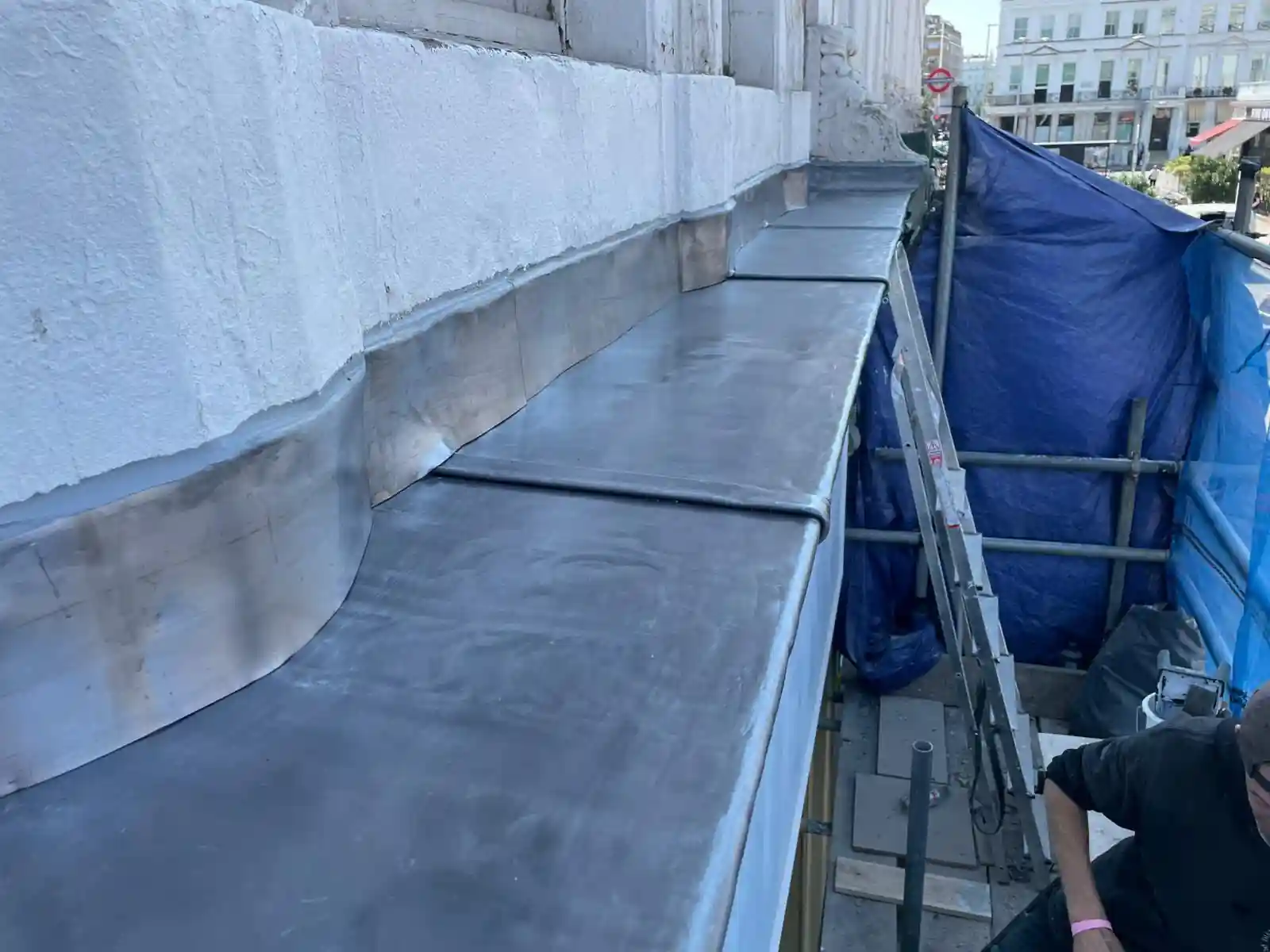
A recurring leak on a Norbury roof usually means the original repair only addressed the visible symptom rather than the underlying cause, commonly a valley lining that was patched rather than renewed, or a second loose hip tile nearby that was not inspected the first time. Because most Norbury roofs are hipped rather than gabled, water tracking along a valley can travel some distance before it shows as a stain inside, so the ceiling patch is not always directly under the actual fault. We check the full length of any shared valley and the surrounding hip and ridge tiles during a repair, rather than only patching the exact spot where the leak was first noticed, which is the most common reason a supposedly fixed leak returns within a year or two. This is particularly true on roofs that have already had more than one previous repair over the years.
Can roof repairs be carried out without scaffolding?
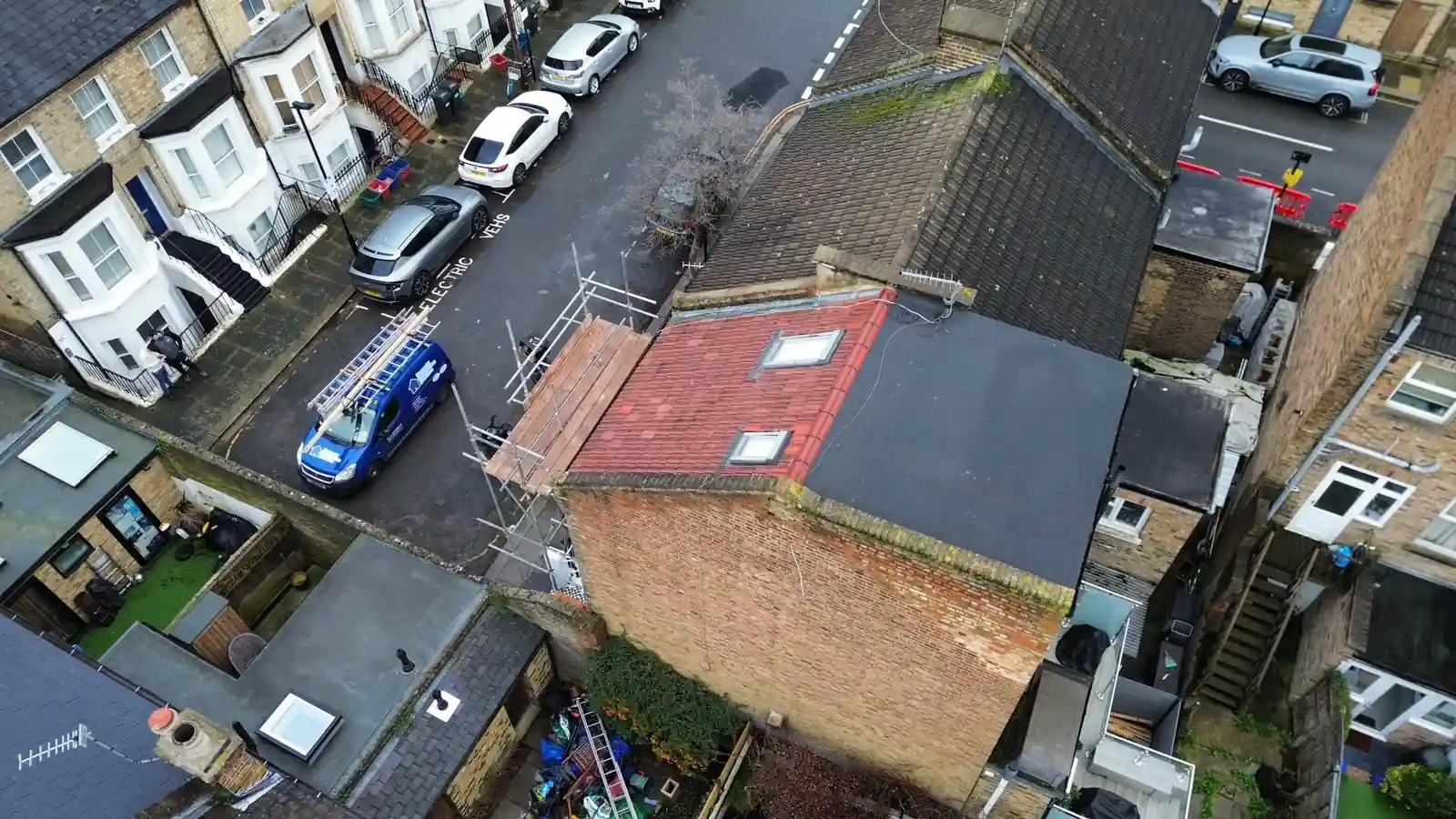
Many repairs on Norbury's semi detached and terraced roofs can be carried out using a tower or ladder access rather than full scaffolding, particularly for isolated tile replacement or a hip ridge repair. Larger jobs, such as full valley gutter renewal between two adjoining semis or extensive retiling after storm damage, may need scaffolding for safe and thorough access, especially where work has to reach both sides of a shared roof. We confirm the access method needed during the inspection so you know what to expect before work is scheduled, including whether scaffolding needs to be erected on next door's side of a shared valley gutter, which we arrange directly with your neighbour in advance rather than leaving you to coordinate it yourself. We also factor in whether a nearby chimney stack needs attention at the same time, since combining the two jobs on one scaffold visit is more practical than arranging access twice.