
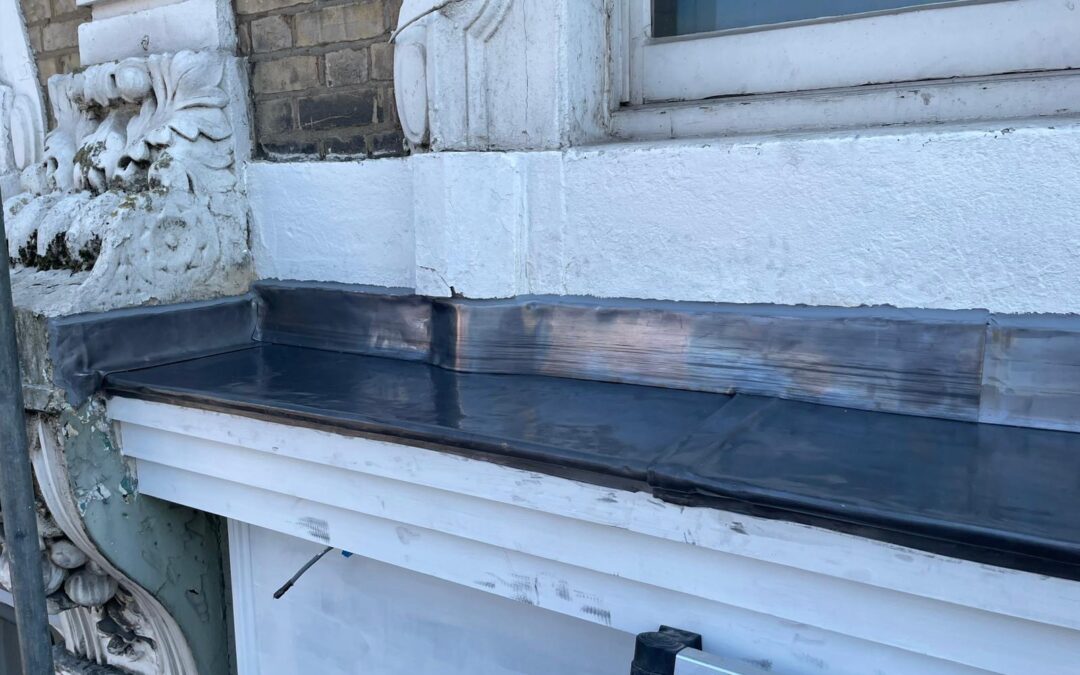
How small roof repairs can prevent expensive structural damage is something every UK homeowner, landlord, and property manager should understand before a minor problem turns into a costly nightmare. A single cracked tile or a slow drip behind the loft insulation rarely seems urgent. Yet left alone, that tiny fault can quietly undermine the timber, plaster, and structure that holds your home together.
Our weather doesn’t help. The British climate throws a relentless mix of driving rain, gale-force winds, frost, and damp at our roofs all year round. Storm damage is common across the UK, and even a few weeks of heavy rainfall can find any weakness in your roof covering. Once water ingress begins, it spreads. And it rarely stops where you’d expect.
The trouble is that small roof problems are easy to ignore. They’re out of sight, hard to reach, and often invisible from ground level. Most people only notice an issue when a damp patch appears on the ceiling or when water starts dripping into the loft. By that stage, the damage has usually been developing for months.
This is exactly why understanding how small roof repairs can prevent expensive structural damage matters so much. Acting early protects your property, your budget, and your peace of mind. A modest repair carried out promptly costs a fraction of the major structural work that follows neglect.
At Property Restoration Service, we’ve seen first-hand how a small, overlooked fault becomes a five-figure repair bill. Throughout this guide, we’ll explain the real risks, the warning signs, and the value of early action. We’ll also show why working with professional roof repair services UK homeowners trust is the smartest way to keep your roof watertight and your home safe for years to come.
Why Small Roof Problems Should Never Be Ignored
It’s tempting to dismiss a loose slate or a hairline crack as something to deal with “later”. After all, the roof still looks fine from the street. However, this is precisely how the most expensive damage begins.
A small gap in your roof covering is an open invitation for water. Rain doesn’t need a large hole to cause trouble. Wind-driven rain forces moisture under tiles and through tiny cracks, and once it’s inside, gravity takes over.
Water ingress doesn’t stay in one place. It travels along timber battens, runs down rafters, and soaks into insulation. By the time it reaches a visible spot on your ceiling, it may have already affected several metres of hidden structure.
There’s also the issue of underlayment failure. The felt or membrane beneath your tiles acts as a secondary barrier. When it degrades or tears, even a sound-looking roof can let water through. You won’t see this from outside, which is why so many homeowners are caught off guard.
In addition, small problems tend to multiply. One slipped tile exposes the tiles around it to wind lift. A blocked gutter overflows and saturates the fascia. Left unchecked, a single fault becomes several, and the cost climbs steadily.
The simple truth is that preventing structural roof damage starts with treating minor issues seriously. Booking affordable roof maintenance and repairs early is always cheaper and less disruptive than dealing with the aftermath of long-term neglect.
How Minor Roof Leaks Lead to Major Structural Damage
A roof leak might begin as a few drops of water. Within months, though, it can compromise the very framework of your home. Understanding this progression helps explain why early roof leak repair is so important.
Timber rot and weakened rafters
Roofs in UK homes rely on timber rafters, joists, and battens. When these stay damp, rot sets in. Wet rot softens the wood, while dry rot spreads aggressively and can travel into walls and floors. Once structural timber weakens, you’re no longer looking at a simple repair — you’re facing a roof replacement risk.
Ruined insulation
Loft insulation loses its effectiveness the moment it gets wet. Soggy insulation traps moisture, encourages mould, and stops doing its job. As a result, your heating bills creep up while your home grows colder and damper.
Ceiling and plaster damage
Persistent water ingress stains ceilings, bubbles paint, and eventually causes plaster to sag and collapse. Many homeowners only call us at this point, assuming the leak is recent. In reality, the damage has usually been building quietly for a long time.
A real UK homeowner scenario
Consider a typical terraced property in the North West. The owner noticed a faint brown mark on a bedroom ceiling but assumed it would dry out. A year later, after a stormy winter, the ceiling sagged badly. The cause was a single slipped slate that allowed rainwater to soak the rafters and insulation for months.
What could have been a quick, low-cost fix became a major job involving timber replacement, new insulation, and replastering. This is the reality of ignored leaks, and it’s why calling expert roof leak repair services early saves so much money and stress.
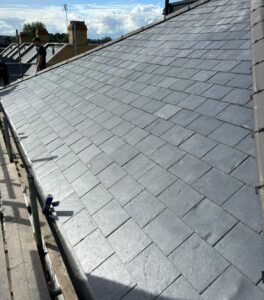
Common Causes of Small Roof Damage in UK Homes
Knowing what causes minor roof damage helps you stay one step ahead. In the UK, a handful of culprits appear again and again.
Storm damage
High winds lift and dislodge roof tiles and slates, while flying debris can crack or puncture coverings. After any major storm, it’s wise to arrange a roof inspection, even if everything looks fine from below. Some damage only becomes obvious once the next downpour arrives.
Ageing materials
No roof lasts forever. Tiles become brittle, slates split, mortar crumbles, and underlayment breaks down with age. Older properties are especially vulnerable, and gradual wear often goes unnoticed until a leak appears.
Blocked gutters
This is one of the most common and most underrated problems. When gutters fill with leaves, moss, and debris, water can’t drain away. It backs up, overflows, and seeps into the roofline, fascias, and walls. Regular gutter clearing is one of the simplest ways to protect your home.
Poor or non-existent maintenance
Many roof problems come down to neglect. A roof that’s never inspected accumulates small faults that compound over time. By contrast, regular checks catch issues while they’re still cheap to fix.
If you’re unsure about the condition of your roof, the trusted roofing contractors UK property owners rely on can identify weak points before they develop into serious damage. Prevention really does cost far less than cure.
Signs Your Roof Needs Immediate Attention
You don’t need to climb onto your roof to spot warning signs. Many of the clearest clues are visible from the ground or from inside your home. Catching them early is central to roof maintenance benefits that protect your property.
Look out for the following:
- Missing, slipped, or cracked tiles and slates gaps in your roof covering are an immediate risk for water ingress.
- Damp patches on ceilings or walls brown or yellow staining usually signals an active leak.
- Sagging roof sections a dip or bow in the roofline can indicate water-damaged timber or structural strain.
- Internal staining in the loft check rafters and underlayment for dark marks, mould, or visible water trails.
- Granules in the gutter loose material can show your roof covering is wearing out.
- A musty, damp smell upstairs often the first sign of moisture hiding where you can’t see it.
If you notice any of these, don’t wait for the problem to worsen. A prompt response can mean the difference between a quick fix and a major repair. For urgent situations, the emergency roof repair specialists at our team can respond quickly to limit the spread of damage.
An emergency callout might feel like an expense at the time. In truth, it’s an investment that often prevents thousands of pounds of structural repair later on.
Cost Comparison: Small Repairs vs Structural Repairs
Money is at the heart of why small roof repairs can prevent expensive structural damage. The gap between fixing a minor fault and repairing the resulting structural harm is enormous.
What small repairs typically cost
Minor work replacing a few tiles, sealing flashing, clearing gutters, or patching small areas of felt generally falls into the low hundreds of pounds. These jobs are quick, straightforward, and minimally disruptive.
What structural repairs cost
Once a leak has caused real damage, the figures change dramatically. Replacing rotten rafters, renewing insulation, treating damp, replastering ceilings, and possibly carrying out a partial re-roof can run into thousands. In severe cases involving widespread timber decay, the costs climb even higher.
In other words, a repair that might have cost a couple of hundred pounds can balloon into a bill ten or twenty times larger simply because it was left too long.
Insurance considerations
Home insurance is another reason to act early. Many policies cover sudden storm damage but exclude problems caused by gradual wear or neglected maintenance. If an insurer can show that a leak resulted from a fault you ignored, your claim may be refused.
Keeping records of regular roof inspection and maintenance strengthens your position. It demonstrates that you’ve taken reasonable care of your property something landlords and property managers in particular need to bear in mind.
Choosing affordable roof maintenance and repairs is one of the most cost-effective decisions you can make. Small, planned spending now protects you from large, unplanned expenses later.
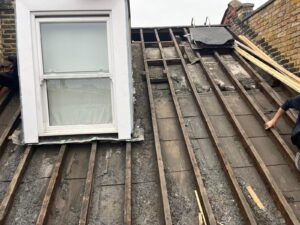
Importance of Regular Roof Inspections
Prevention is always better than repair, and a regular roof inspection is the foundation of good roof care. In the UK climate, your roof faces constant challenges, so routine checks are essential rather than optional.
Seasonal checks for the UK climate
We recommend inspecting your roof at least twice a year, ideally in autumn and spring. An autumn check prepares your roof for winter storms and frost, while a spring inspection reveals any damage the colder months may have caused.
It’s also sensible to arrange a check after any severe weather event. Storm damage isn’t always visible immediately, and a quick assessment can catch problems before they escalate.
The benefits of preventative maintenance
Regular inspections deliver several clear advantages:
- They catch small faults before they become major leaks.
- They extend the lifespan of your roof covering and structure.
- They keep insulation dry and your home energy-efficient.
- They protect your insurance position with a clear maintenance record.
- They give you genuine peace of mind through every season.
For landlords and property managers, scheduled inspections are particularly valuable. They help meet maintenance obligations, keep tenants safe and comfortable, and prevent emergency repairs that disrupt occupancy.
As property restoration experts UK homeowners trust, we always advise treating roof inspections as routine care, much like servicing a car. A small amount of attention now prevents far bigger problems down the line.
Professional Roof Repair Solutions
When it comes to your roof, the quality of the repair matters just as much as the timing. This is where professional expertise makes all the difference.
Why DIY repairs are risky
It’s understandable to want to save money with a quick DIY fix, but roof work carries real dangers. Working at height is hazardous, and a fall can have serious consequences. Beyond safety, amateur repairs often fail to address the underlying cause.
A patch that looks fine on the surface may leave underlayment failure or hidden timber damage untreated. As a result, the problem returns frequently worse than before. Poorly fitted tiles can also void manufacturer guarantees and create new weak points.
Why expert contractors matter
Trained roofers don’t just fix the visible symptom. They diagnose the root cause, assess the surrounding area, and carry out lasting repairs using the right materials and methods.
Professional contractors understand UK building standards, local weather pressures, and the specific needs of different roof types from slate and clay tiles to flat roofs and modern coverings. This expertise ensures your repair holds up against the next storm, not just the next light shower.
Emergency repair services
Some roof problems simply can’t wait. A serious leak during a winter storm needs immediate attention to prevent rapid structural damage. A prompt emergency callout limits water ingress, protects your interior, and buys time for a permanent solution.
Our emergency property repair specialists are equipped to respond quickly when it matters most. Whether it’s a sudden leak, dislodged tiles, or storm damage, fast action keeps a manageable problem from becoming a costly one.
For dependable, long-lasting results, working with trusted roofing contractors UK homeowners recommend gives you confidence that the job is done properly the first time.
Frequently Asked Questions
Why are small roof repairs important?
Small roof repairs stop minor faults from developing into major structural problems. A single cracked tile or small leak can lead to timber rot, ruined insulation, and ceiling damage if ignored. Fixing issues early is far cheaper and protects the long-term health of your home.
How quickly can roof damage spread?
Faster than most people expect. Water ingress can soak rafters and insulation within weeks, and during a wet UK winter, a small leak can cause significant damage in a single season. The sooner you act, the less it spreads.
How much do roof repairs cost in the UK?
Minor repairs typically cost in the low hundreds of pounds, depending on the fault and your roof type. Structural repairs caused by neglected leaks can run into thousands. This is why early roof leak repair is always the more economical choice.
Can small leaks cause structural damage?
Absolutely. A small leak that’s left untreated can rot timber, weaken rafters, and ultimately threaten the stability of your roof structure. What starts as a minor drip can end as a serious roof replacement risk.
Should I repair or replace my roof?
It depends on the roof’s age and condition. Isolated faults on an otherwise sound roof are usually best repaired. Widespread damage, persistent leaks, or failing underlayment across an ageing roof may make replacement more sensible. A professional roof inspection will give you a clear answer.
What should I do if I notice a damp patch on my ceiling?
Don’t ignore it. A damp patch usually means an active leak above. Arrange a professional inspection promptly so the source can be identified and repaired before the damage spreads further.
Conclusion
By now, it should be clear how small roof repairs can prevent expensive structural damage and protect both your property and your finances. A loose tile, a small crack, or a blocked gutter may seem trivial, but in the UK’s demanding climate, these minor faults can quickly escalate into major, costly problems.
The message is simple: act early. Booking a roof inspection, responding to warning signs, and arranging prompt repairs all cost a fraction of the structural work that follows neglect. Understanding how small roof repairs can prevent expensive structural damage is one of the most valuable things any homeowner, landlord, or property manager can take on board.
- Treat small roof problems seriously they rarely stay small.
- Watch for warning signs like missing tiles, damp patches, and sagging.
- Arrange regular inspections to catch issues before they spread.
- Choose professional repairs over risky DIY fixes.
Don’t wait for a small leak to become a large bill. As a trusted UK roofing company, we’re here to help you keep your roof watertight and your home secure all year round. Get in touch with our professional roof repair services UK team today to book a roof inspection or request a roof repair quote. A little action now can save you a great deal later.